

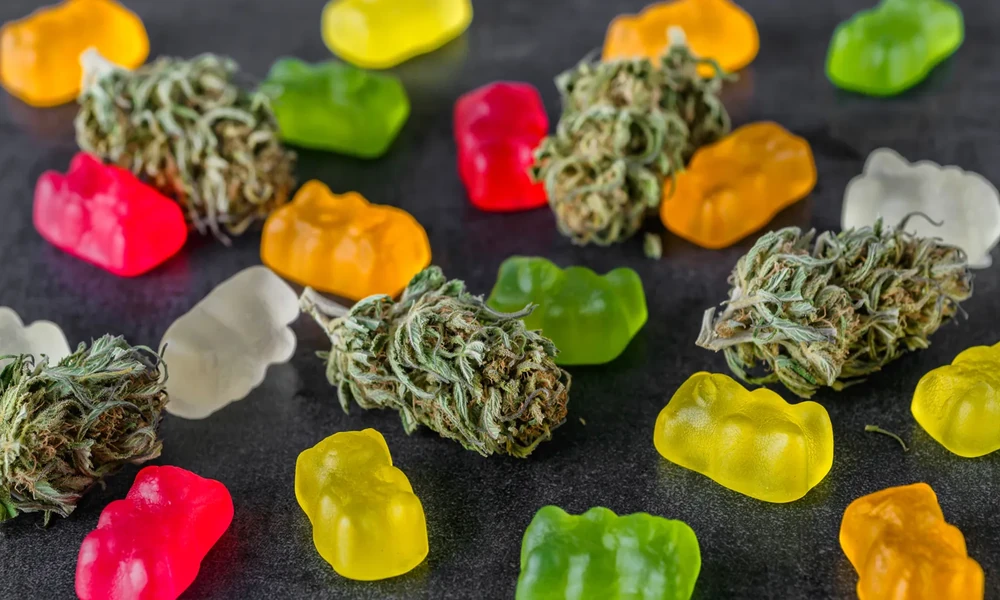
How does hemp qualify?
Federal law separates hemp from cannabis using a single measurement, delta 9 THC concentration resting at or below 0.3 percent by dry weight. Nothing else about a plant decides that classification.
Hemp derivatives, extracts, and cannabinoids were removed from controlled substance scheduling under the 2018 agricultural legislation. Buyers asking how much do thc gummies cost seldom realise how firmly one percentage shapes whatever reaches a shelf.
Weight-based measurement carries an unusual consequence. A larger piece can hold several milligrams of delta 9 while staying beneath the threshold, since total mass dilutes concentration. Smaller formats cannot manage that arithmetic. Edible categories therefore expanded quickly, because gummy weight supplies room concentrates never had. Congress renewed this framework across subsequent extensions, though later amendments narrow it considerably, and delayed implementation means present retail conditions differ from what upcoming rules will permit.
Which products stay compliant?
Compliance rests upon source material and finished concentration rather than upon cannabinoid identity. Hemp-derived extracts qualify, while chemically identical compounds drawn from scheduled material do not.
Delta 8, delta 10, and HHC occupy contested ground, since each begins inside hemp yet arrives through laboratory conversion rather than direct extraction. Court rulings have mostly favoured a plain reading of statutory wording. Regulatory agencies disagree, state legislatures have moved independently, and a patchwork resulted that no federal decision has settled.
THCA presents a separate puzzle. Raw material tests beneath threshold while converting into delta 9 once heated, an arithmetic finished edibles rarely exploit, though flower products frequently do. Finished gummies built around hemp-derived delta 9 sidestep that argument entirely, since nothing about their production involves conversion chemistry.
Threshold measurement rules
Measurement detail decides compliance far more often than formulation choices do.
- Dry weight basis applies, so moisture content shifts any reported percentage.
- Delta 9 concentration alone governs finished goods under statutory wording.
- Post-decarboxylation totals apply toward crop testing, capturing THCA beside delta 9.
- Total piece mass forms a denominator, letting heavier gummies accommodate larger milligram loads.
- Batch variation demands testing per production run rather than per recipe.
Sellers publishing potency figures without naming a denominator leave that arithmetic unfinished. Milligram content printed upon packaging says nothing about the percentage until the piece weight appears beside it. Laboratories occasionally report both delta 9 and total THC, and a gap between those numbers reveals how much THCA a sample carried before heating.
Reading compliance paperwork
Certificates settle questions marketing language leaves open, provided a printed batch code matches whatever a seller publishes.
- Delta 9 concentration is expressed as a percentage rather than milligrams alone.
- Total THC figure, including THCA, where a laboratory reports both.
- Issue date falling close to a purchase rather than years earlier.
- Laboratory identity confirming independence from any manufacturer.
Documentation covering a different batch answers nothing useful. Absent paperwork answers a question by itself. Third-party laboratories carry more standing than in-house testing, since independence removes an obvious conflict. State rules add another layer, because several jurisdictions restrict hemp-derived edibles regardless of federal allowance.
Farm Bill allowances rest upon concentration arithmetic rather than upon cannabinoid strength, which explains why compliant edibles carry meaningful delta 9 content. Rules governing this category keep shifting, restrictions differ between jurisdictions, and reading batch documentation carefully remains a buyer’s most dependable check.
