

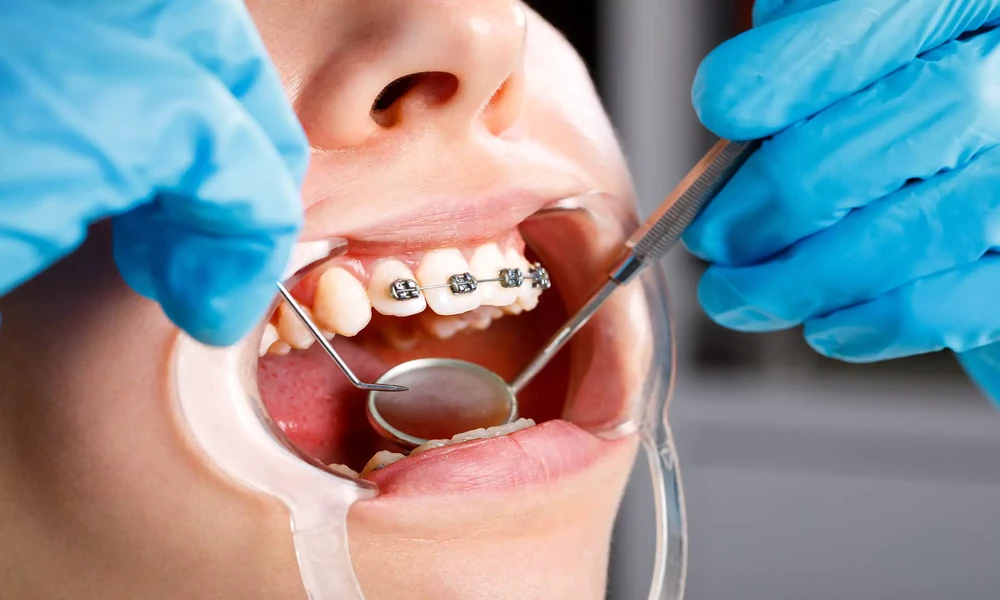
You may have noticed bleeding when you brush, gums that seem to be pulling back, or a tooth that does not feel as steady as it used to. That kind of change gets in your head fast. You start eating on one side, smiling with your lips closed, and wondering if this is going to turn into tooth loss, pain, or a long list of expensive treatment needs. That stress is real, and it often starts before you even know the name of the problem. At Downtown Periodontics & Implant Dentistry Minneapolis, patients often seek answers when these symptoms begin to affect daily life.
Gum disease and missing teeth affect more than appearance. They change how you chew, speak, and feel around other people. The good news is that a periodontist and implant dentist focuses on exactly these problems. How periodontists restore smiles through advanced care comes down to two things. They treat the disease that harms the foundation of your teeth, and they rebuild what has been lost with precise, lasting solutions.
Periodontists treat the foundation that supports your smile
Your teeth depend on healthy gums, bone, and connective tissue. When those structures become inflamed or infected, the damage can move quietly. Early gum disease may seem minor, but periodontitis can lead to gum recession, bone loss, loose teeth, and eventually tooth loss. The National Institute of Dental and Craniofacial Research explains gum disease in clear terms, including how plaque bacteria trigger the process and why early treatment matters.
You might think the issue is only cosmetic if your gums look uneven or your teeth appear longer. Often, that visible change points to deeper tissue loss. If you wait, brushing can become more uncomfortable, cold foods can sting, and routine dental visits may start to feel more serious than you expected. What began as occasional bleeding turns into a problem that affects comfort, confidence, and long term oral health.
A specialist in gum disease and dental implants is trained to diagnose these conditions in detail. That includes measuring gum pockets, reviewing bone levels, identifying infection, and mapping out whether the priority is saving natural teeth, replacing missing ones, or both. The American Dental Association offers a helpful overview of periodontitis and its effects, including signs many people ignore for too long.
Advanced periodontal care restores health before appearance
People often come in focused on the visible problem. They want the gap closed, the gumline fixed, or the smile to look normal again. That makes sense, but appearance follows health. If infection is active or bone support is weak, cosmetic fixes alone do not hold up well.
Advanced periodontal treatment may include deep cleaning below the gumline, gum grafting for recession, pocket reduction procedures, bone grafting, and careful maintenance to stop the disease from progressing. If a tooth cannot be saved, dental implants can replace it in a way that supports chewing strength and preserves bone better than leaving the space empty.
This is where advanced periodontal and implant care changes the outcome. A periodontist does not just patch the surface. The work is planned around tissue health, bone support, bite forces, and long term stability. That level of planning matters when you have already lost bone, have several failing teeth, or want an implant placed where the tissue has changed over time.
Specialized training is a major part of that difference. The Commission on Dental Accreditation outlines the depth of periodontics training standards, which cover surgical and non surgical treatment of gum disease, implant placement, and management of supporting oral structures.
Professional periodontal treatment changes outcomes more than waiting does
Waiting can feel cheaper in the moment. In practice, delay often means more tissue loss, more complex care, and fewer options to save natural teeth. The gap between early treatment and late treatment is not small.
| Situation | Early Professional Care | Delayed Care |
|---|---|---|
| Bleeding gums and mild inflammation | Often managed with deep cleaning, home care changes, and monitoring | Can progress to deeper infection and attachment loss |
| Gum recession | May be treated before roots become highly exposed or sensitive | Greater recession can require more involved grafting |
| Loose or failing tooth | Better chance of stabilizing or planning replacement before more bone is lost | Bone loss may limit options and increase treatment stages |
| Missing tooth | Earlier implant planning can preserve space and support bone management | Shifting teeth and bone shrinkage can complicate implant placement |
Think of two common situations. One person schedules an exam when brushing starts to cause bleeding every week. Another waits until a front tooth looks longer and feels loose. The first person may need focused periodontal therapy and maintenance. The second may need infection control, extraction, grafting, healing time, and then implant treatment. The emotional toll is heavier too, because by then the smile has already changed.
Clear next steps help you regain control
1. Pay attention to the small signs. Bleeding gums, bad breath that does not improve, gum recession, tenderness, and loose teeth are not harmless quirks. Write down what you have noticed, including when it started and whether it is getting worse.
2. Get a periodontal evaluation, not just a quick glance. If you are dealing with gum changes or missing teeth, ask for a full assessment of gums, bone, and tooth support. A proper diagnosis shapes whether the best path is saving teeth, placing implants, or combining both.
3. Ask for a phased treatment plan. Many people feel overwhelmed because they assume everything must happen at once. It usually does not. Treatment can often be broken into stages, with health first, then rebuilding, then maintenance to protect the result.
Restoring your smile starts with treating what is underneath
If your gums are changing or your teeth no longer feel secure, you are not overreacting. These problems tend to build slowly, then affect daily life all at once. The right care can stop disease, rebuild support, and restore the parts of your smile that feel lost. A skilled periodontist and implant dentist addresses the cause, not just the appearance, and that is what gives your results a real chance to last.
Take the next step and schedule a periodontal evaluation to find out what can be saved, what can be restored, and what your options look like now.
