

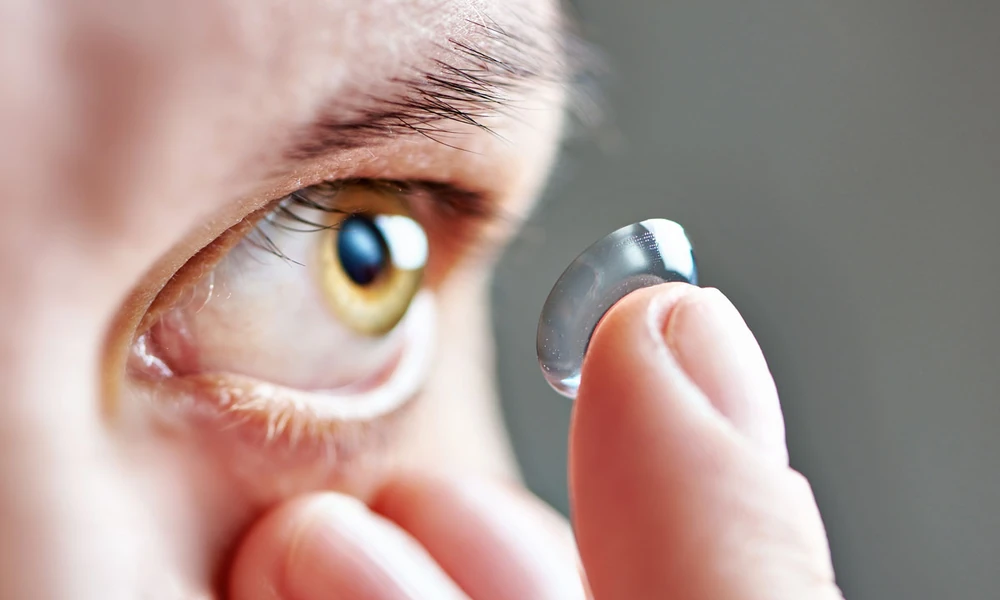
A good Contact Lens should feel comfortable, stay in place, and help you see clearly throughout the day. If your lenses start to feel dry, blurry, painful, or harder to wear than before, it may be a sign that they are no longer the right fit for your eyes.
Contact lenses are made to sit gently on the surface of your eye. But your eyes can change over time. Your prescription, tear quality, eye shape, lifestyle, and daily habits can all affect how your lenses feel. Even if a pair worked well before, it does not always mean it will continue to be the best option.
Here are the signs to watch for.
Your Vision Is Blurry or Keeps Changing
Blurry vision is one of the clearest signs that your contact lenses may not fit properly or may no longer match your prescription.
You may notice that:
- Text looks unclear
- Lights appear streaky or blurry
- One eye sees better than the other
- Your vision changes when you blink
- You need to rub your eyes often to see clearly
Sometimes, the lens may be moving too much on your eye. Other times, your prescription may have changed. If you have astigmatism, you may also need a different type of lens that sits more steadily on the eye.
Blurry vision should not be ignored, especially if it happens often.
Your Lenses Feel Dry or Scratchy
Mild dryness can happen after long hours of lens wear, screen time, or being in air-conditioned spaces. But if your lenses feel dry very soon after you put them on, they may not be suitable for your eyes.
A lens that does not fit well can disturb your tear film. This may make your eyes feel gritty, tired, or irritated.
You may feel like there is dust or an eyelash in your eye, even when there is nothing there. This is a sign that your eyes need a break and your lenses should be checked.
Your Eyes Look Red After Wearing Them
Red eyes can happen for many reasons, including dryness, allergies, overwearing lenses, or poor lens hygiene. But if your eyes often become red when you wear contact lenses, it may mean the lens is not allowing enough comfort or oxygen for your eyes.
Redness with pain, swelling, discharge, or light sensitivity can be more serious. Remove your lenses and speak to an eye care professional as soon as possible.
It is better to be careful. Wearing lenses through discomfort can make the problem worse.
Your Lenses Move Too Much or Feel Stuck
Contact lenses should move slightly when you blink. This helps tears pass under the lens and keeps the eye comfortable.
But if the lens moves too much, your vision may blur, and the lens may feel unstable. If it does not move enough, it may feel tight or stuck.
Both can be signs of poor fit.
A lens that is too loose may slide around. A lens that is too tight may reduce comfort and make your eyes feel dry or sore. A proper fitting checks more than just your prescription. It also looks at the shape of your eye and how the lens behaves when you blink.
You Cannot Wear Them as Long as Before
If you used to wear your lenses comfortably for many hours but now need to remove them early, pay attention.
This may happen because of:
- Dry eyes
- Allergies
- Screen habits
- Changes in your eye health
- Lens material issues
- Old or damaged lenses
- Wearing lenses longer than recommended
Your eyes may also become less tolerant of certain lenses over time. This does not always mean you must stop wearing contact lenses. It may simply mean you need a different lens type, wearing schedule, or care routine.
You Feel Pain, Burning, or Light Sensitivity
Contact lenses should not hurt. A little awareness when trying new lenses may happen, but pain is not normal.
Remove your lenses if you feel:
- Sharp pain
- Burning
- Strong stinging
- Sudden redness
- Light sensitivity
- Watery eyes
- Vision loss or sudden blur
Do not put the same lenses back in right away. Pain can be a sign of irritation, a scratch, infection, or another eye problem. An eye care professional can check what is happening and advise you safely.
Your Lens Care Routine Has Changed
Sometimes, the issue is not the lens itself but how it is being cleaned or stored.
For reusable lenses, proper care matters. You should use the solution recommended by your eye care provider, avoid topping up old solution, and replace your lens case regularly.
You should also keep contact lenses away from water. Do not swim or shower in them unless your eye care provider has given specific advice. Water can expose lenses to germs and may increase the risk of eye infection.
If your lenses suddenly feel uncomfortable, check whether your routine has changed. A new solution, an old case, or rushed cleaning can affect comfort.
Your Lifestyle No Longer Matches Your Lenses
The right lenses should fit your daily life. For example, someone who wears lenses occasionally may prefer daily lenses. Someone who wears them often may need a different material or schedule.
If you spend long hours on screens, work in dry environments, travel often, or have irregular sleep, your lens needs may change.
This is why follow-up checks are helpful. They allow an eye care professional to review your comfort, vision, and habits instead of only checking your prescription.
For people who need guidance, Spectacle Hut’s ContactLensCAREPlus+ supports wearers with contact lens fittings, care advice, daily and monthly lens options, follow-ups, regular checks, and aftercare for different stages of the contact lens journey.
When Should You Book a Contact Lens Check?
You should book a check if discomfort lasts more than a short time or keeps coming back.
It is also a good idea to get reviewed if:
- Your vision is no longer clear
- Your lenses feel dry every day
- Your eyes are often red after wear
- Your lenses feel too loose or too tight
- You want to change lens type or brand
- You are new to contact lenses
- You have not had a recent eye check
A professional contact lens fitting and aftercare appointment can help identify whether the issue is your prescription, lens size, material, wearing schedule, or care routine.
Final Thoughts
Your contact lenses should help you feel comfortable and confident, not irritated or unsure. If they no longer feel right, do not force yourself to keep wearing them.
Remove your lenses, give your eyes a rest, and arrange a proper check. Small changes, such as a new prescription, different lens type, or better care routine, can make a big difference to your comfort and eye health.
