

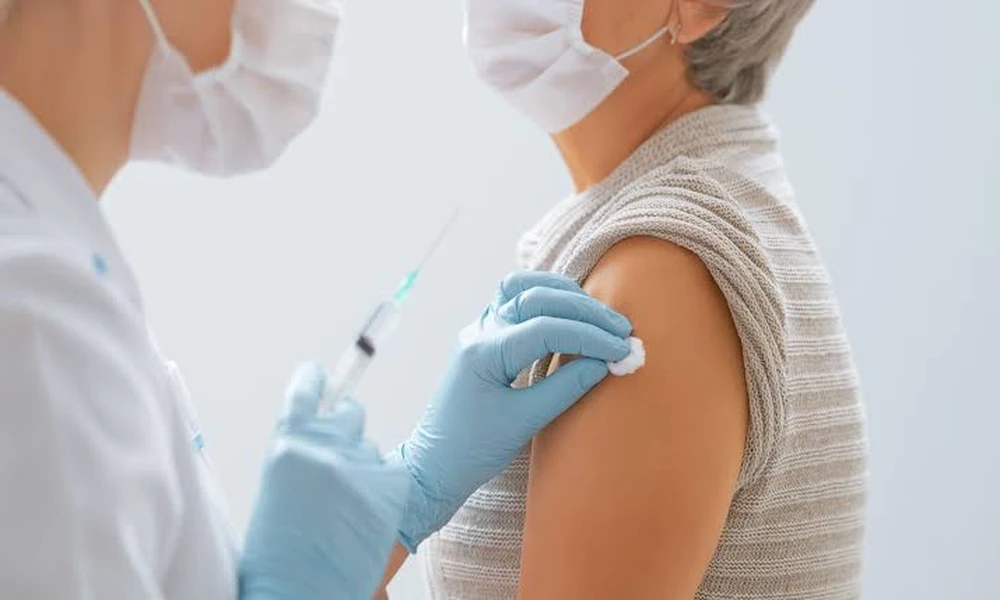
Shingles, medically known as herpes zoster, is a viral infection that can cause a painful rash and nerve-related symptoms. It develops when the varicella-zoster virus, which causes chickenpox, becomes active again after remaining dormant in the body.
While shingles can occur in adults of different ages, the risk generally increases with age and can also be higher among people with weakened immune systems. Vaccination is one of the available strategies for reducing the risk of developing shingles and its complications.
For Filipinos researching the zoster vaccine philippines options, understanding how the vaccine works, who may benefit, and what to discuss with a healthcare professional can help with informed decision-making.
What Is a Zoster Vaccine?
A zoster vaccine is a vaccine designed to help protect against herpes zoster, commonly called shingles.
One widely used option internationally is the recombinant zoster vaccine, which is designed to stimulate the immune system to recognize and respond to the virus responsible for shingles. Unlike a vaccine that prevents the initial chickenpox infection, a shingles vaccine is intended to help prevent reactivation of the varicella-zoster virus later in life.
The World Health Organization identifies recombinant zoster vaccination as an important option for preventing herpes zoster and its complications, particularly among older adults and certain people with chronic health conditions. However, vaccination policies can differ between countries based on local recommendations and public-health considerations.
Why Does Shingles Prevention Matter?
For some people, shingles causes a rash that resolves without lasting problems. For others, the infection can result in significant pain or complications.
One of the most recognized complications is postherpetic neuralgia, in which nerve pain continues after the shingles rash has healed. Shingles can also affect the eye and potentially cause vision-related complications when it occurs around the eye.
The risk of shingles and certain complications increases with age. This makes prevention particularly relevant for older adults.
Vaccination does not guarantee that someone will never develop shingles, but it can significantly reduce the risk of the disease and its complications in eligible populations.
Who May Be Eligible for Shingles Vaccination?
Eligibility depends on factors such as age, immune status, medical history, and the recommendations applicable where the vaccine is being administered.
For example, current U.S. CDC recommendations advise recombinant zoster vaccination for:
- Adults aged 50 years and older.
- Adults aged 19 years and older who are or will become immunocompromised because of disease or treatment.
The CDC recommends two doses for these groups, although the timing can vary depending on a person’s circumstances.
These recommendations should not automatically be interpreted as Philippine vaccination policy. A Filipino patient should consult a healthcare professional to determine whether they meet the applicable recommendations and whether vaccination is appropriate for them.
How Many Doses Are Needed?
For adults receiving the recombinant zoster vaccine under CDC recommendations, vaccination consists of two doses.
For most eligible adults, the second dose is administered two to six months after the first. People who are or will become immunocompromised may sometimes receive the second dose one to two months after the first, depending on the circumstances.
Following the recommended schedule is important because the vaccination series is designed around the timing of the doses. Your healthcare provider can tell you when the next dose should be administered based on your age, health status, and vaccination history.
Can You Get the Vaccine If You Already Had Shingles?
A previous episode of shingles does not necessarily eliminate the possibility of developing shingles again.
For this reason, CDC guidance recommends recombinant zoster vaccination for eligible adults regardless of whether they have previously experienced shingles.
If you have recently had shingles, however, the appropriate timing of vaccination should be discussed with a healthcare professional. A doctor can assess whether the episode has resolved and determine an appropriate vaccination plan.
What About People Who Had Chickenpox?
The virus that causes chickenpox and shingles is the same varicella-zoster virus.
After chickenpox, the virus can remain inactive in nerve tissue and later reactivate as shingles. This is why having had chickenpox earlier in life is relevant when discussing shingles risk.
If you are unsure whether you had chickenpox or received a chickenpox vaccine, tell your healthcare provider. Your vaccination and medical history can help guide the discussion.
What Side Effects Can Occur?
Like other vaccines, recombinant zoster vaccination can cause temporary side effects.
Common reactions may include pain, redness, or swelling at the injection site. Some people may also experience fatigue, muscle pain, headache, fever, stomach discomfort, or other temporary symptoms.
These reactions generally resolve on their own. However, anyone experiencing a severe or unusual reaction should seek appropriate medical attention.
Your healthcare provider can explain the expected side effects and tell you when you should seek further care.
Who Should Talk to a Doctor Before Vaccination?
A consultation is particularly useful if you:
- Have a condition that affects your immune system.
- Take medicines that suppress immune activity.
- Are receiving cancer treatment or another immunosuppressive therapy.
- Have experienced a serious allergic reaction to a previous vaccine or one of its ingredients.
- Are currently unwell.
- Have questions about previous shingles or chickenpox infection.
- Are uncertain about your vaccination history.
The purpose of a consultation is not simply to determine whether you can receive a vaccine. It also allows the healthcare professional to consider timing, potential precautions, and your broader medical circumstances.
Finding Information About the Shingles Vaccine in the Philippines
People searching for the shingles vaccine in the Philippines may encounter different information about eligibility, availability, vaccination schedules, and prices. These details can change and may differ between healthcare facilities.
For that reason, online information should be used as a starting point rather than a substitute for personalized medical advice.
- Whether the vaccine is currently available.
- Whether the healthcare facility provides adult vaccination.
- How many doses are recommended for you.
- The interval between doses.
- The current vaccination fee.
- Whether a doctor’s consultation is required.
- Whether you need to bring previous vaccination records.
How Nowserving Can Help
For people considering shingles vaccination, speaking with a healthcare professional can help answer questions that general online information cannot address.
Nowserving provides a way to find doctors and healthcare professionals for consultations. A patient can discuss their age, medical history, medications, previous infections, and vaccination concerns with a qualified provider before making decisions about vaccination.
This can be particularly useful when researching the zoster vaccine philippines options because recommendations may depend on individual health circumstances rather than age alone.
Making an Informed Vaccination Decision
Shingles prevention is especially relevant as adults get older or when certain medical conditions or treatments affect immune function. A zoster vaccine can play an important role in reducing the risk of shingles and its complications for people who are eligible.
If you are considering vaccination, start by discussing your individual risk with a healthcare professional. Ask about eligibility, the number and timing of doses, possible side effects, availability, and current costs.
Understanding these factors can help you approach shingles prevention with accurate information and a vaccination plan appropriate for your circumstances.
