

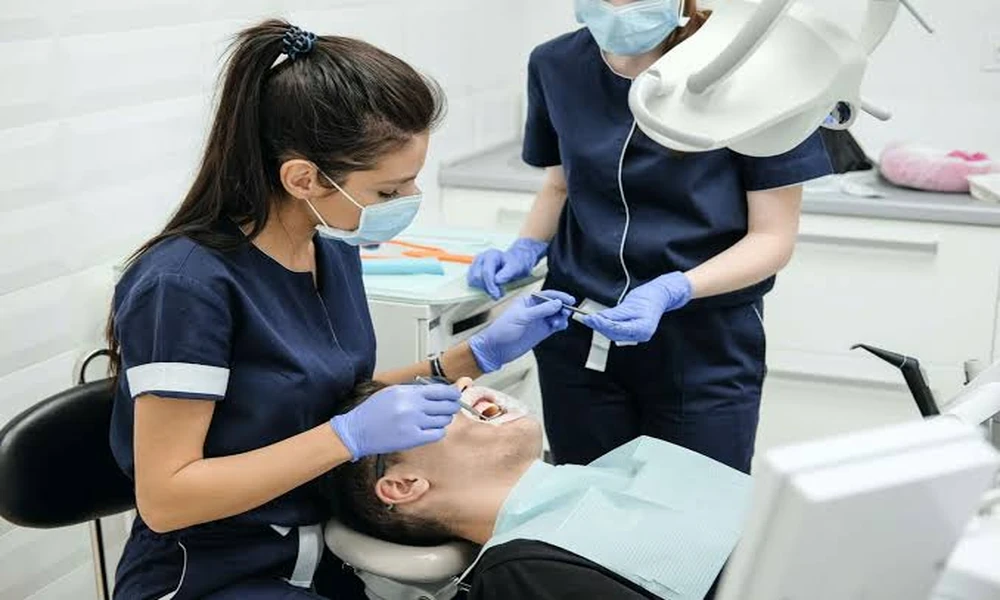
Missing a back tooth may not seem as noticeable as losing a front tooth, but it can have a significant impact on your oral health. Back teeth, also known as molars and premolars, play an essential role in chewing, maintaining proper bite alignment, and supporting the overall function of your mouth. When one of these teeth is lost, choosing the right replacement option is important for preserving long-term oral health.
Two of the most common solutions for replacing missing back teeth are dental implants and dental bridges. Both treatments can restore your smile and chewing ability, but each has its own advantages depending on your dental condition, lifestyle, and treatment goals.
For patients in Ontario, understanding the differences between implants and bridges can help make the decision-making process easier during a dental consultation.
Understanding Your Tooth Replacement Options
Both dental implants and dental bridges are designed to replace missing teeth, but they do so in different ways.
Dental Implants
A dental implant replaces both the missing tooth root and the visible tooth. A titanium implant is surgically placed into the jawbone, where it gradually fuses with the bone before supporting a custom-made dental crown.
Dental implants can be used to replace:
- A single missing tooth
- Multiple missing teeth
- An entire arch of teeth with implant-supported restorations
Dental Bridges
A dental bridge replaces a missing tooth by attaching an artificial tooth to the neighboring natural teeth or dental implants.
Traditional bridges are supported by crowns placed on the teeth adjacent to the missing tooth, allowing the replacement tooth to “bridge” the gap.
Factors That Matter Most When Choosing Between an Implant and a Bridge
Every patient’s situation is unique. Your dentist will consider several important factors before recommending the most appropriate treatment.
Jawbone Health
One of the biggest advantages of dental implants is that they help stimulate the jawbone, much like a natural tooth root.
Patients with sufficient bone density are often good candidates for implants. If bone loss has already occurred, additional procedures such as bone grafting may sometimes be recommended.
Bridges do not replace the tooth root and therefore do not provide the same stimulation to the jawbone.
Condition of Nearby Teeth
If the teeth on either side of the missing tooth are healthy, an implant may help preserve them because no preparation is required.
Traditional bridges usually require the neighboring teeth to be reshaped so crowns can support the replacement tooth.
Your dentist will evaluate the condition of adjacent teeth before recommending either option.
Chewing Function
Back teeth experience significant chewing pressure every day.
Dental implants are anchored directly into the jawbone, providing excellent stability during chewing.
Bridges also restore chewing ability effectively, although the support comes from neighboring teeth rather than the jawbone.
Treatment Timeline
Dental bridges are often completed more quickly than implants because they do not require a healing period within the jawbone.
Dental implants generally involve:
- Initial consultation
- Implant placement
- Healing period
- Final crown placement
Although treatment takes longer, many patients appreciate the long-term benefits.
Long-Term Oral Health
Both implants and bridges can provide excellent results when properly maintained.
Dental implants may help:
- Preserve jawbone structure
- Prevent neighboring teeth from shifting
- Maintain natural chewing forces
Bridges remain an effective solution for many patients, particularly when implant placement is not appropriate.
Who May Be a Good Candidate for Each Option?
Your dentist will evaluate your overall oral health before recommending treatment.
Dental Implant Candidates
Patients may be suitable for implants if they have:
- Healthy gums
- Adequate jawbone support
- Good overall health
- One or more missing back teeth
- Commitment to maintaining oral hygiene
Dental Bridge Candidates
Bridges may be recommended when:
- Neighboring teeth already require crowns
- Implant surgery is not appropriate
- Faster treatment is preferred
- Bone support is limited
- Individual treatment goals favor a bridge
A comprehensive examination helps determine the most appropriate solution.
Prevention and Long-Term Care
Regardless of which restoration you choose, maintaining good oral health remains essential.
Prevention Tips
- Brush twice daily with fluoride toothpaste.
- Floss every day.
- Attend routine dental examinations.
- Avoid chewing hard objects such as ice.
- Address gum disease promptly.
- Wear a nightguard if you grind your teeth.
Consistent oral hygiene helps protect both natural teeth and dental restorations.
Related Dental Treatments
Depending on your individual needs, your dentist may also recommend:
- Bone grafting
- Dental crowns
- Family dentistry
- Emergency dental care
- Cosmetic dentistry
- Preventive dental cleanings
A personalized treatment plan helps support long-term oral health and function.
What to Expect During Your Consultation
Comprehensive Examination
Your dentist examines your teeth, gums, and bite while reviewing your dental and medical history.
Diagnostic Imaging
Digital X-rays or 3D scans help evaluate jawbone health and determine which restoration is most appropriate.
Treatment Discussion
The advantages and considerations of implants and bridges are explained based on your individual situation.
Personalized Treatment Plan
A customized plan is created that considers your oral health, treatment goals, and long-term needs.
Follow-Up Care
Routine appointments help monitor your restoration and maintain healthy surrounding tissues.
Local Considerations for Ontario Patients
Ontario patients who lose a back tooth should consider seeking professional evaluation as soon as possible. Delaying treatment may allow neighboring teeth to shift and contribute to gradual jawbone changes, making future treatment more complex.
Patients exploring tooth replacement options may benefit from visiting a dental clinic in Cambridge, ON to compare the advantages of implants and bridges based on their oral health, lifestyle, and long-term goals.
Depending on the condition of the missing tooth and surrounding structures, your dentist may recommend dental implants in Cambridge, dental crowns in Cambridge, or other restorative treatments to restore chewing function and maintain long-term oral health.
Frequently Asked Questions
Is a dental implant better than a bridge for a back tooth?
Neither option is universally better. Dental implants help preserve jawbone health and do not rely on neighboring teeth, while bridges may be an excellent choice depending on the condition of adjacent teeth and individual treatment needs.
How long do dental implants and bridges last?
Both restorations can provide many years of service with proper oral hygiene and regular dental care. Longevity depends on factors such as maintenance, overall oral health, and lifestyle habits.
Can I get a dental implant immediately after a tooth extraction?
In some cases, immediate implant placement may be possible. However, treatment timing depends on the condition of the bone, surrounding tissues, and the specific clinical situation.
Do dental bridges require special care?
Yes. Patients should maintain excellent oral hygiene, including cleaning around and beneath the bridge as instructed by their dentist, along with attending regular dental checkups.
Will replacing a missing back tooth improve chewing?
Yes. Both implants and bridges can restore chewing efficiency, improve bite stability, and help distribute chewing forces more evenly.
What happens if I don’t replace a missing back tooth?
Leaving a back tooth untreated may lead to shifting of neighboring teeth, bite changes, reduced chewing efficiency, and gradual bone loss in the affected area.
Final Thoughts
Replacing a missing back tooth is an important step in protecting your oral health and maintaining normal chewing function. Both dental implants and bridges are proven restorative options, and the right choice depends on factors such as jawbone health, the condition of neighboring teeth, treatment preferences, and long-term goals.
A comprehensive dental evaluation is the best way to determine which option is most appropriate for your individual needs. With timely treatment and regular dental care, both implants and bridges can help restore a healthy, functional smile for years to come.
