

Good vision often feels like something we only think about when it starts to change. A slight blur, more glare at night, or tired eyes after reading may seem small at first. Yet these changes can sometimes point to early eye health issues that need closer attention.
This is why a regular eye examination is an important part of caring for your sight. It does more than check whether your prescription has changed. It can also help detect signs of common eye conditions, including cataracts and glaucoma, before they begin to affect daily life in a more serious way.
Cataracts and glaucoma are two of the most common eye conditions linked with ageing. They are different conditions, but both can affect vision over time. The key difference is that cataracts usually develop when the eye’s natural lens becomes cloudy, while glaucoma involves damage to the optic nerve, often linked to pressure inside the eye.
Both conditions can progress slowly. Some people may not notice any changes until the condition has already advanced. Regular checks help create a clearer picture of your eye health over time, which makes it easier to spot changes early.
Why Cataracts Can Be Missed at First
Cataracts often develop gradually. In the early stages, the symptoms can be mild and easy to dismiss. Some people may feel that their glasses are no longer as clear as before. Others may notice glare from headlights, faded colours, or difficulty reading in dim light.
Because cataracts usually form slowly, vision changes can feel like a normal part of ageing. However, an eye care professional can examine the lens of the eye and check whether cloudiness is present. This can help confirm whether the symptoms are due to cataracts, a prescription change, dry eyes, or another issue.
Early detection does not always mean immediate treatment is needed. In many cases, cataracts can be monitored until they begin to affect daily tasks. This gives patients time to understand their options and make informed choices about their care.
Why Glaucoma Needs Early Attention
Glaucoma is often called a silent eye condition because many forms do not cause clear symptoms at first. A person may still see well in the centre of their vision while gradual damage affects their side vision. By the time vision loss becomes noticeable, some damage may already be permanent.
This makes regular eye checks especially important. During an eye examination, an optometrist or eye care professional may check eye pressure, assess the optic nerve, and ask about risk factors such as age, family history, high myopia, diabetes, or past eye injury.
Not every person with higher eye pressure has glaucoma, and not every case of glaucoma involves high pressure. This is why a proper assessment matters. It allows eye care professionals to consider several findings together rather than relying on one result alone.
What Happens During an Eye Examination
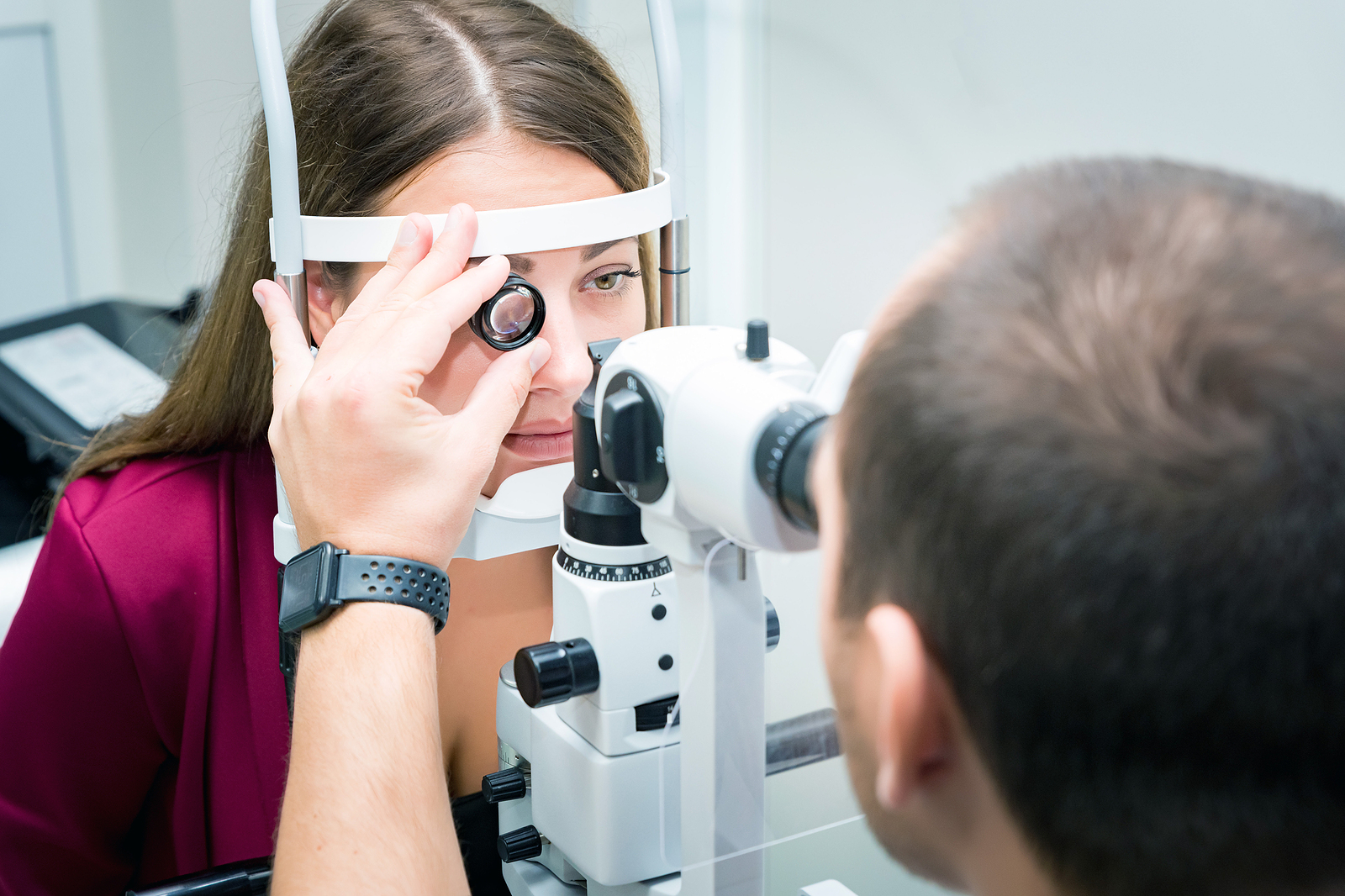
A routine eye check may include several simple steps. These can include a vision test, prescription check, eye pressure measurement, and a closer look at the front and back parts of the eye. The exact tests may vary based on age, symptoms, eye history, and risk factors.
The process is usually simple and comfortable. For many people, it also brings peace of mind. If everything looks healthy, the results provide a useful baseline for future visits. If changes are found, the person can be advised on the next step, which may include monitoring, updated lenses, or referral to an eye doctor for further care.
Regular checks are also helpful because the eyes can change without obvious warning signs. A person may adapt to small changes without realising how much their vision has shifted. An eye examination gives a clearer and more objective view.
Who Should Be More Careful About Regular Checks
Everyone can benefit from regular eye checks, but some people should be more mindful. This includes adults over 40, people with a family history of glaucoma, people with diabetes, those who are highly short-sighted, and anyone who has noticed recent changes in vision.
People who drive often, work long hours on screens, or rely heavily on clear vision for work may also benefit from routine checks. Even if symptoms seem minor, early assessment can help prevent avoidable strain and uncertainty.
Small Vision Changes Should Not Be Ignored
It is easy to wait until vision becomes uncomfortable before booking an appointment. However, eye conditions are often easier to manage when they are found early. Cataracts can be tracked before they interfere with daily life. Glaucoma can be assessed and referred for timely care before more vision is affected.
Simple changes such as cloudy vision, halos around lights, poor night vision, eye pain, sudden blur, or loss of side vision should be checked promptly. Sudden symptoms, especially pain, redness, nausea, or severe blurred vision, may need urgent medical attention.
Making Eye Care Part of Everyday Health
Eye health should be part of routine health care, just like dental checks or general health screenings. Regular visits help people understand their vision needs and stay aware of changes that may not be obvious day to day.
Spectacle Hut’s VisionCAREPlus+ reflects this more personal approach to eye care, with assessments that consider how each person uses their eyes in daily life. This kind of regular, personalised check can help support clearer vision and better awareness of eye health over time.
Cataracts and glaucoma may sound worrying, but early checks can make a real difference. A regular eye examination helps people take a proactive step, ask the right questions, and protect their sight for the years ahead.
