

Sleep apnea is a common condition where you snore or stop breathing during sleep which keeps you from having a good night of rest. Many people who have sleep apnea don’t realize that it is the reason for their poor quality of sleep and symptoms such as waking up tired and suffering from dry mouth, headaches or other problems.
A common indicator is a partner who says you snore loudly, wake up coughing, gasp for air, or have trouble breathing while you’re sleeping.
What is Sleep Apnea and How Can it Affect You?
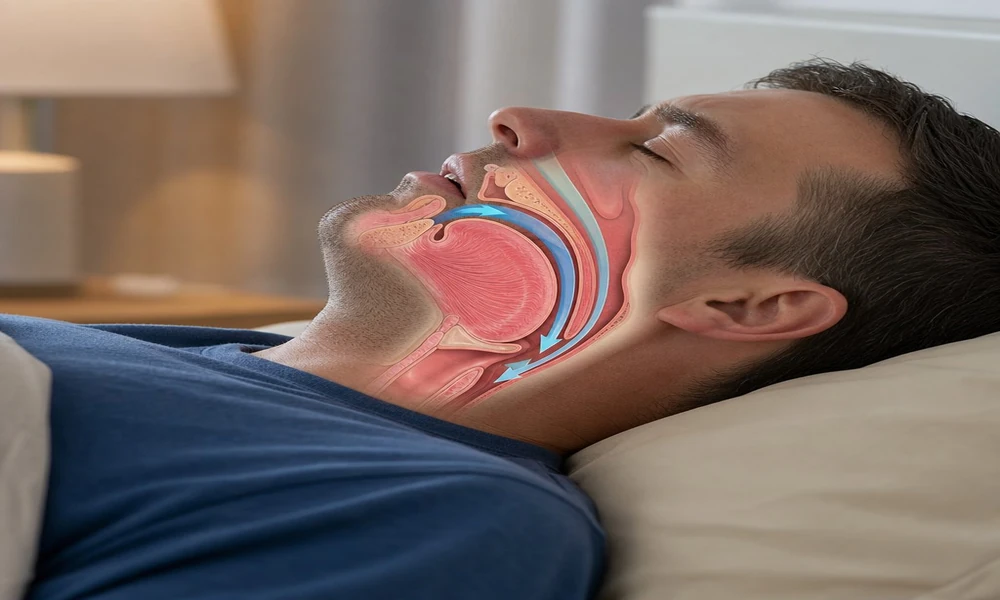
People with obstructive sleep apnea – you can see more at www.sleepeducation.org/sleep-disorders, have one or more episodes in which the soft tissues of their throat relax and their throat narrows or closes, temporarily blocking the passage of air while they’re sleeping. The pauses in breathing can cause the body to briefly stop sleeping to get more air and can occur several times a night. You may not be aware of your episodes, yet your body reacts to them.
Illustration of airway narrowing during obstructive sleep apnea
Some of the symptoms you might experience are:
- snoring
- coughing/gasping for air at night
- waking in the morning with a headache
- daytime fatigue
- difficulty concentrating
- mood swings
- dry mouth or sore throat in the morning
The symptoms can vary, so if you are not sure if you have it, a diagnosis can help you learn if you have the condition.
How Can Sleep Apnea Treatment Help You?
If sleep apnea goes untreated, it can cause health complications. It may lead to high blood pressure, increased pressure on the heart, trouble concentrating, an increased risk of a daytime car accident (click now) and it may make you feel tired or frustrated even after a full night in bed. Many people assume that a day’s worth of fatigue is caused by stress or just getting older and having many things on the go, however treatment can be a remedy if it’s contributing to your symptoms. The goal of the treatment isn’t just to stop you snoring, but to help your body receive better levels of oxygen and get better rest.
How is Sleep Apnea Oral Appliance Treatment Work?
Some people with obstructive sleep apnea who have mild to moderate symptoms may want to consider a type of treatment called an oral appliance. An oral appliance is a custom-made dental device you wear in your mouth to keep your airway clear when sleeping. This small device helps gently move your jaw, tongue and soft palate while allowing easier breathing.
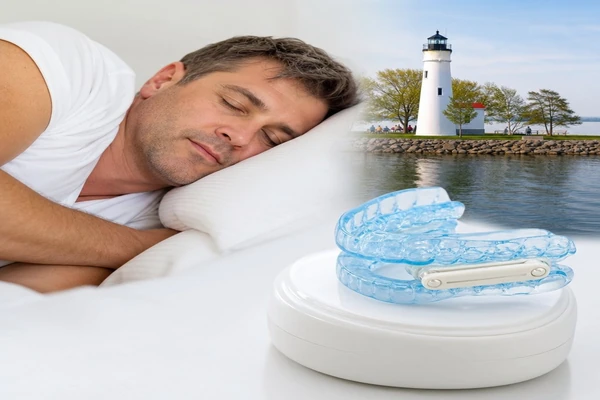
Custom oral appliance for sleep apnea treatment
You may find that a sleep apnea oral appliance near Whitefish Bay is more attractive because it is unobtrusive and easy to take with you while traveling. There is no mask, tubes, or other machinery attached that you need to have next to your bed to use. In addition to being small and compact, people who have trouble tolerating other treatments find these treatments easier to tolerate.
An oral appliance is different than a standard mouth guard that you can buy at a store. A custom sleep apnea oral appliance is made for each person’s teeth, bite and jaw. Having a precise fit is critical to help ensure that you have a comfortable fit with the appliance and less chance of applying too much pressure to your teeth and mouth.
Who Can Use an Oral Appliance?
While oral appliance treatment cannot be used to treat all symptoms, you might be able to consider a oral appliance for your mild to moderate case of obstructive sleep apnea or to treat symptoms when other treatments cause you to have trouble. However, a proper evaluation should be made to decide if you’re a good candidate for the treatment.
An oral appliance might be recommended if you:
- have obstructive sleep apnea
- snoring that results from an upper airway obstruction
- would like a small treatment option
- have a healthy mouth and gum structure to receive an oral appliance
- will follow up on adjustments to the oral appliance as recommended by your provider
Depending on the circumstances, you may be asked to do a sleep test either before or after you’re fitted to see how effective the appliance is in treating your symptoms.
What is the Process?
Sleep apnea treatment may begin with talking to your doctor about how you sleep, your symptoms and your general health. An assessment of your teeth, bite, upper and lower jaw and other structures may take place as part of a physical exam to make sure that a mouth guard would work for you and be safe to use.
The Better Night Begins with a Good Fit
Sleep apnea is known to affect every area of a person’s life and good treatment can help you get back to having a better and more restful night. The oral appliance may be a comfortable treatment alternative to bulky equipment for people who have sleep apnea in the Whitefish Bay, Wisconsin area.
If you’re not getting restful sleep and are experiencing sleep apnea symptoms, you should see your doctor for an evaluation. Your doctor may make a diagnosis and create a treatment plan to help you get back to getting quality sleep you need.
