

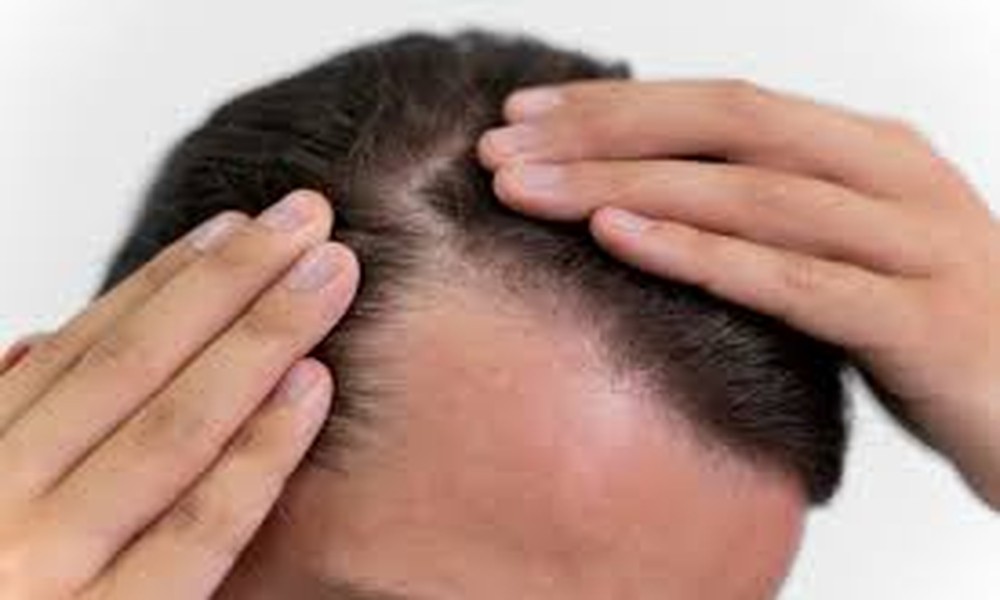
If you are four months into a GFC treatment course and the mirror still does not show the density you were expecting, you are almost certainly not experiencing a treatment failure. You are experiencing the biology of how hair actually grows. The frustration at this stage is real, but it usually comes from expecting a surface change before the underlying biological process has had enough time to produce one.
GFC, which stands for Growth Factor Concentrate, is a treatment made from concentrated healing proteins extracted from your own blood. It stimulates weakened hair follicles to become more active. But the results appear on your scalp’s schedule, not the treatment calendar’s. Let’s look at the timeline in which the treatment experience will unfold.
Why GFC Treatment Results Take Time to Show Up
Hair follicles work in a continuous cycle with three distinct phases. There is the growing phase, when the hair shaft is actively getting longer. There is the transition phase, a brief period where growth slows. And then there is the resting phase, where the follicle is dormant and eventually sheds the hair before the cycle begins again.
In someone experiencing hair loss, the problem is that the growing phase has shortened. Follicles are spending less time actively growing and more time resting or shedding. Each cycle produces a slightly thinner, weaker strand of hair. GFC works by delivering growth proteins directly into the scalp that encourage follicles to extend their growing phase again and start producing stronger strands.
The Hair Growth Cycle
The catch is that a follicle cannot immediately respond to that stimulation by growing thicker hair at the surface. It first has to finish whatever part of its current cycle it is in, then re-enter the growing phase in a healthier, more extended state. This means the visible results of GFC are always delayed relative to the injection itself, typically by six to twelve weeks.
The biology is responding earlier than your mirror suggests.
How GFC Stimulates Follicles
The growth proteins in GFC, including ones called PDGF, VEGF, and IGF-1, act on the base of each follicle, where the cell activity that produces hair growth is controlled. They encourage blood vessel formation around the follicle, which brings more oxygen and nutrients into the area. Better circulation means better follicular health, and better follicular health leads to a longer, more productive growing phase.
The scalp becoming less tight, less inflamed, and better circulated is the first sign that the process is working, often visible to the specialist at the four-week check even when the patient cannot yet see it.
What Patients Notice Month by Month During GFC Treatment
Understanding the actual progression of response makes the course much easier to stay committed to. The GFC Treatment protocol stimulates follicles through a biological process that follows the hair growth cycle, which is why the sequence of visible changes is predictable once you know what to look for.
Most patients with active hair thinning at an early to moderate stage follow a recognisable sequence across the first four to six months.
- Weeks 2 to 6: the number of hairs falling daily starts to reduce. The count on the shower floor and the pillow decreases. This is the first sign that the follicular environment is stabilising, and it appears before any visible improvement in the mirror.
- Months 2 to 3: existing hair begins to grow slightly thicker in the shaft. Hair that felt limp and fine starts feeling more substantial. This change is subtle and is best confirmed by comparing photographs rather than relying on daily observation.
- Month 3 to 4: fine, short hairs appear in areas that had been visibly thinning. These are follicles re-entering their growing phase from a weakened state. They look wispy at first, but their presence confirms that the treatment is activating previously dormant follicles.
- Months 4 to 6: visible density improvement becomes apparent across the treated zones as the newly active follicles complete their first full healthy cycle. This is the stage patients have been waiting for.
Who Gets the Best Results From a GFC Course
GFC treatment is most effective when the follicles being treated are still biologically present and active. A scalp assessment before beginning the course uses a device called a dermatoscope to look at the follicles directly and confirm they are viable. The candidacy profile significantly shapes what the course will deliver.
Strong Responder Profile
Patients in this group typically see measurable density improvement across the full course. The best hair treatments clinic in delhi consultation at Evoke confirms this profile through the scalp assessment before sessions begin.
- Hair loss at an early to moderate stage where follicles are thinning but still active and present on dermoscopy.
- Postpartum or stress-related shedding, where the follicles are temporarily dormant rather than permanently weakened.
- Women with hormonal hair thinning related to thyroid changes, PCOS, or cycle irregularities.
- Patients using GFC after a hair transplant to support and preserve the natural hair around the transplanted zone.
Moderate Response Cases
These patients benefit from GFC but typically need more sessions to reach the same outcome, and the visible changes take longer to appear.
- Later-stage hair loss where follicular miniaturisation is more advanced and a larger proportion of follicles require more time to respond.
- Patients where nutritional deficiencies or ongoing hormonal imbalances have not yet been fully addressed alongside the GFC course.
- Patients who have had hair loss for a longer period before starting clinical treatment, where more follicles have spent time in a weakened state.
Frequently Asked Questions
Why has my shedding reduced but my density has not improved yet?
Reduced shedding is the first clinical sign that GFC is working. The follicles are stabilising. Density improvement follows as stimulated follicles complete their current cycle and re-enter the growing phase in a healthier state. This biological delay is normal and typically spans six to twelve weeks between shedding reduction and visible density improvement.
How many sessions are needed before results become visible?
Most patients at an early to moderate stage of hair loss complete a course of four to six sessions spaced three to four weeks apart. Visible improvement typically becomes apparent between months three and five. The exact session count and spacing is determined by the loss stage and scalp findings confirmed at the initial assessment.
Can GFC be stopped and restarted?
Yes, though maintaining the session schedule during the initial course produces the most consistent result. If a session is missed, the course can be resumed rather than restarted from the beginning. Long-term, maintenance sessions every four to six months after the initial course are typically recommended to sustain the follicular environment that the first course establishes.
