

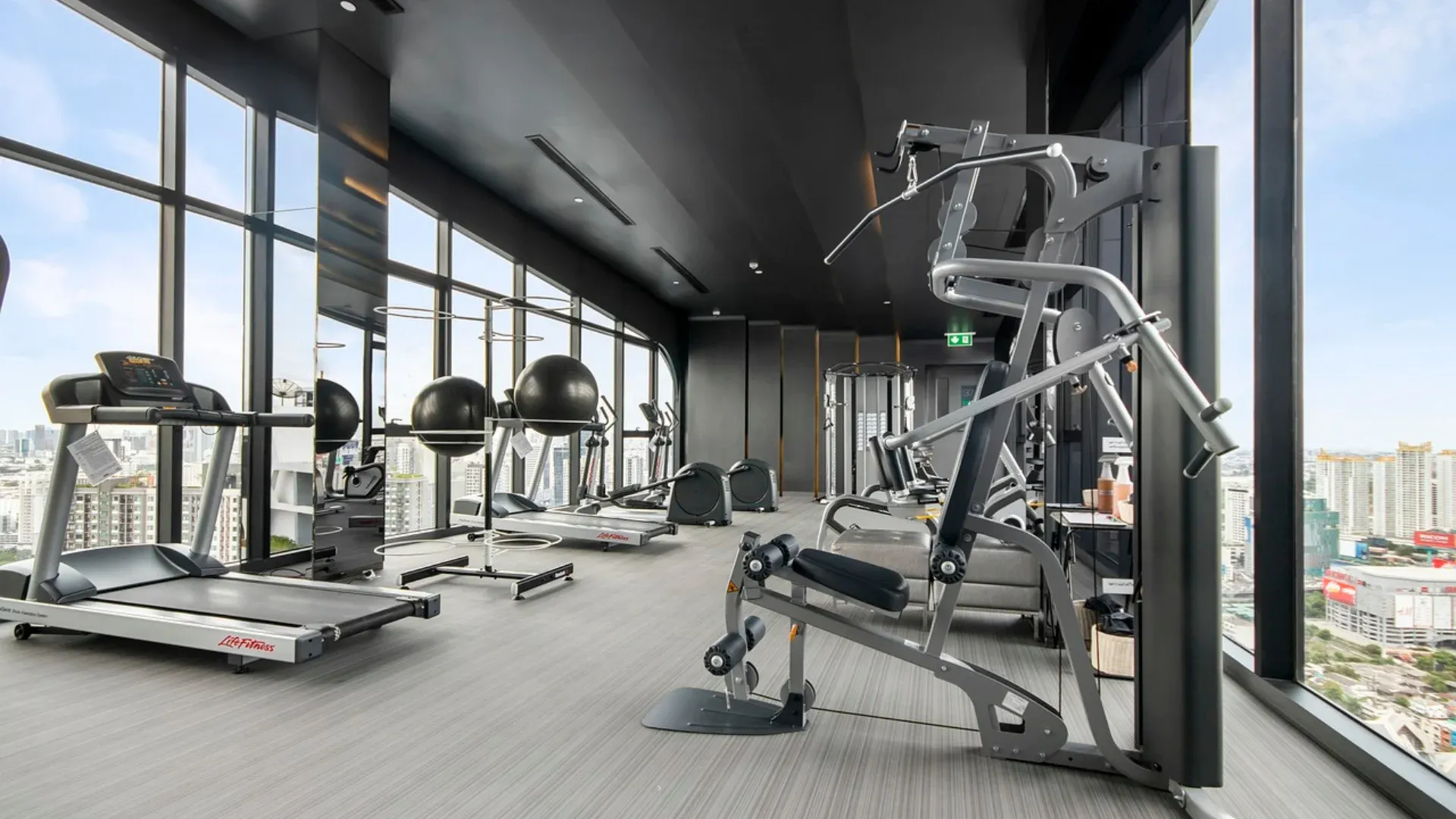
Buying fitness equipment often starts with excitement and ends with a rack of unused weights in the garage. The gap between intention and follow through usually comes down to one thing: the equipment did not match the person’s actual goals, space, or habits. Choosing well from the start saves money, protects your body, and makes it far more likely that the equipment becomes part of your routine instead of an expensive reminder of good intentions.
Start With Your Goals, Not the Catalog
Before comparing brands or reading reviews, get specific about what you are training for. Someone recovering from a knee injury needs different equipment than someone training for a marathon or simply trying to build a consistent habit of movement. According to the Centers for Disease Control and Prevention, adults need at least 150 minutes of moderate intensity aerobic activity each week along with muscle strengthening activity on two or more days. That guideline is a useful starting point, since it tells you that a complete setup usually needs both a cardio option and a way to load your muscles, not just one or the other.
Write down your top two or three goals, whether that is weight management, strength, mobility, or general activity, and let that list guide every purchase decision that follows.
Cardio Machines: Matching the Tool to the Activity
Treadmills, stationary bikes, rowers, and ellipticals all raise your heart rate, but they place very different demands on your joints. Treadmills feel familiar and mimic outdoor running, though the repeated impact can be hard on knees and hips over time. Rowers and ellipticals offer a gentler alternative while still working the whole body. Stationary bikes are often the easiest on the joints, which makes them a common choice for people managing pain or returning to activity after time off.
If you are unsure which to choose, think about what you already enjoy doing outside a gym. People tend to stay far more consistent with equipment that mirrors an activity they already like.
Strength Equipment: Free Weights, Machines, and Bands
Strength training options range from a simple set of dumbbells to a full multi station home gym. Free weights build stabilizer muscles and closely mimic real world movement, but they demand good form and, especially with heavier loads, a training partner or spotter. Guided machines control the range of motion for you, which makes them a sound choice for beginners or anyone rebuilding strength after an injury. Resistance bands are inexpensive, portable, and surprisingly effective for both strength work and physical therapy style exercises.
Most people are best served by a mix: a set of adjustable dumbbells, a few resistance bands, and, space and budget allowing, one or two machines that target areas free weights train less efficiently.
Space, Budget, and Real Life Constraints
The best piece of equipment is the one you will actually use, and that depends heavily on where it lives. A power rack looks great in a showroom but becomes clutter in a small apartment. Before buying anything large, measure the space you have, including ceiling height for equipment like pull up bars, and account for room to move safely around it.
Set a budget that includes not just the sticker price but delivery, assembly, and any accessories you will need. It is usually smarter to buy fewer, higher quality pieces than to fill a room with equipment that gets used once and then ignored.
Safety Standards Worth Checking Before You Buy
Fitness equipment is not covered by a single federal regulation the way some other consumer products are, but reputable manufacturers still build to recognized safety standards, including ASTM specifications for strength equipment and stationary bikes. The Consumer Product Safety Commission also tracks injuries and recalls tied to home exercise equipment, from treadmill related burns to resistance bands that fail under load. Before buying, check that a model has not been recalled and look for stability, secure weight locks, and smooth edges with no exposed pinch points, particularly if children will be in the home.
Home Setup or Commercial Gym: Weighing the Trade Offs
A home gym offers convenience and privacy, and over several years it can cost less than a membership. It does require upfront investment and the discipline to actually use what you have bought. A commercial gym gives you access to a wider range of equipment, classes, and staff who can correct your form, but only if you actually make the trip regularly.
Many people find a hybrid approach works best: a small set of core equipment at home for daily consistency, paired with occasional gym visits for variety or heavier strength work.
Maintenance: Protecting Your Investment
Equipment that is well maintained lasts years longer and stays safer to use. Wipe down cardio machines after each session, check bolts and cables on strength equipment periodically, and lubricate moving parts according to the manufacturer’s instructions. Skipping maintenance is one of the most common reasons equipment fails early or becomes unsafe to use.
Choosing a Supplier You Can Trust
Where you buy matters almost as much as what you buy. A trustworthy supplier of fitness equipment will provide clear specifications, honest weight capacities, warranty terms, and a real return policy, so if a machine does not suit your space or your body, you are not stuck with it. Read reviews from other buyers, ask about assembly support, and confirm that replacement parts are available before you commit to a larger purchase.
Final Thoughts
Good fitness equipment is not about buying everything at once. It is about matching a small number of well chosen pieces to your actual goals, your space, and your budget, then maintaining what you have so it keeps serving you for years. Start with the CDC’s activity guidelines as a baseline, choose equipment that fits the movement patterns you enjoy, and buy from a supplier that stands behind what they sell.
