

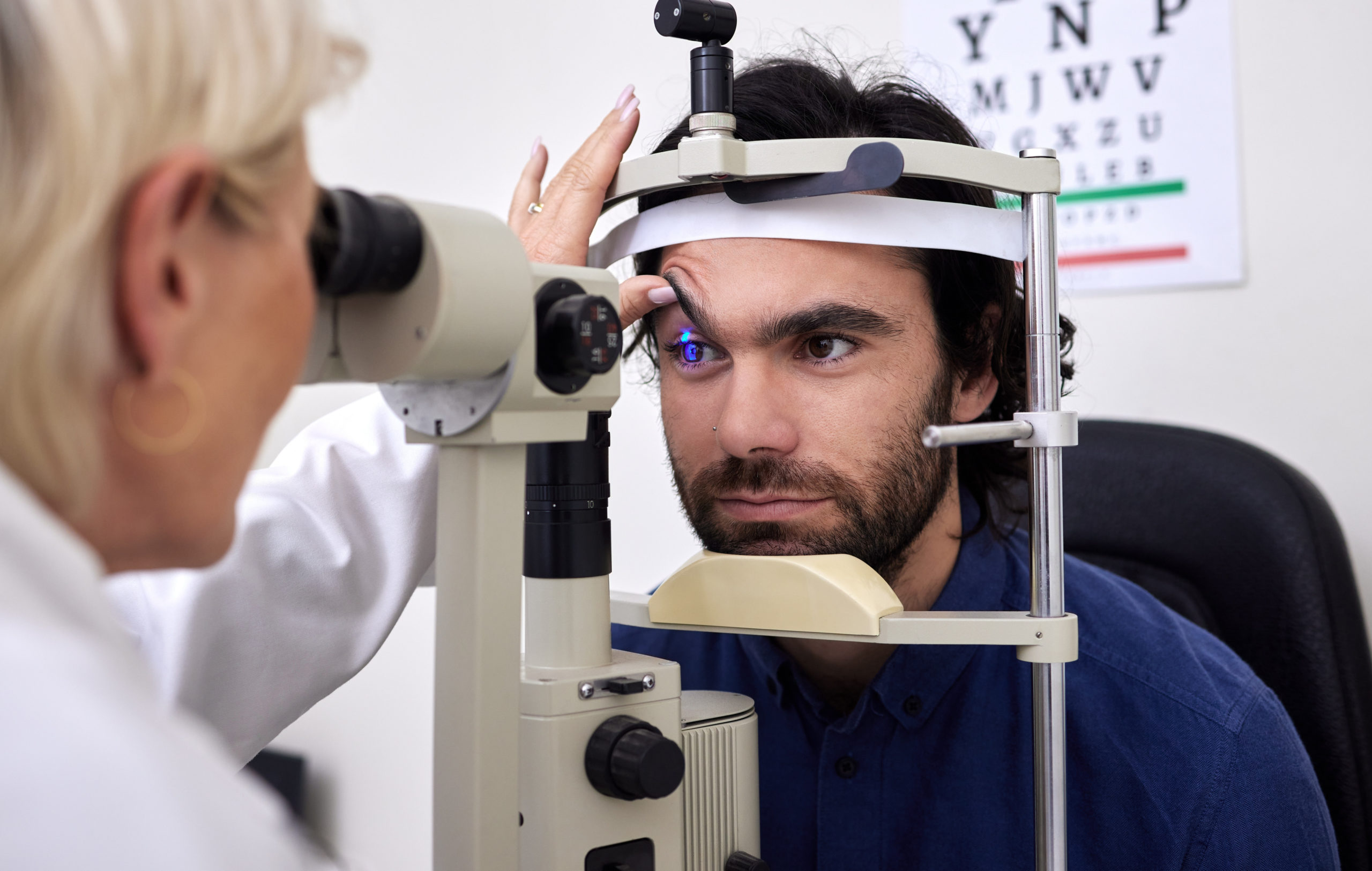
Preventive healthcare helps people stay healthy before serious problems appear. Most people think about heart health, diet, exercise, and mental well-being. Vision health, however, is often forgotten. Many people only think about their eyes when vision becomes blurry or uncomfortable.
This delay can cause long-term problems. Vision affects how people work, move, and live each day. When eye care is ignored, small issues can slowly grow into major concerns.
Vision Problems Often Go Unnoticed
Many eye conditions develop slowly. They do not cause pain or sudden changes. Because of this, people adjust instead of seeking help. They sit closer to screens, increase text size, or avoid certain tasks.
These small changes hide the real issue. Over time, untreated vision problems may affect focus, energy, and comfort. Headaches and eye strain become common. Still, many people do not connect these symptoms to their eyes.
This silent progression is one reason preventive eye care is often skipped. People believe nothing is wrong because daily life still feels manageable.
Vision and Public Health Awareness
Public health and vision are closely connected. Clear eyesight supports learning, work performance, and safety. Poor vision can lead to mistakes, accidents, and lower productivity.
Despite this, eye health receives little attention in public health messaging. Campaigns focus more on diet, fitness, and chronic disease. Vision is rarely included in routine health discussions.
This lack of focus sends the wrong message. It makes people think vision care is optional. In reality, regular eye checks are a key part of prevention. They help detect early signs of change before daily life is affected.
Common Misunderstandings About Eye Care
Many people avoid eye exams because of common myths. Some believe eye care is expensive or time-consuming. Others think glasses are the only solution available.
There is also a belief that adults do not need regular eye exams. People often assume eye care is only for children or older adults. This is not true. Adults face heavy screen use and visual stress every day.
Another major issue is lack of awareness. Many people do not know about modern eye surgery options that can safely correct vision. Without this knowledge, they delay care and accept discomfort as normal.
The Cost of Ignoring Vision Health
Ignoring vision health can affect the whole body. Poor eyesight can change posture and balance. It can make walking, driving, and exercising harder.
Over time, people may avoid activities they once enjoyed. This can reduce physical movement and social interaction. Mental health may also suffer. Stress and frustration often increase.
Untreated vision problems can also become more complex to treat later. Early care is simpler and more effective. Preventive eye care helps protect comfort, safety, and independence.
Advances in Vision Care and Technology
Eye care has improved greatly in recent years. New tools allow doctors to detect problems earlier and with more accuracy. Treatments are now more precise and patient-focused.
Visiting a specialized vision correction clinic allows people to explore solutions that fit their needs. These clinics offer advanced testing and tailored care plans. The goal is long-term clarity and eye health.
These advancements show that eye care is no longer only reactive. Vision health can be managed before problems interfere with daily life.
Making Vision Part of Preventive Care
Vision should be part of every health routine. Eye exams should be as common as dental checkups. They provide valuable information about eye health and overall wellness.
Healthcare systems and public education can help by promoting regular vision checks. When people understand the benefits, they are more likely to take action.
Clear vision supports confidence and independence. It helps people stay active, focused, and engaged. Preventive care protects not only eyesight, but quality of life.
Conclusion
Vision health is often overlooked because problems develop slowly, awareness is limited, and outdated beliefs remain common. Many people wait until vision affects daily life before seeking help.
Preventive eye care changes this pattern. Regular exams and early treatment reduce risks and support long-term well-being. With better awareness and access to modern care, vision can take its rightful place in preventive healthcare.
Clear vision is not a luxury. It is a foundation for healthy, active living.
