

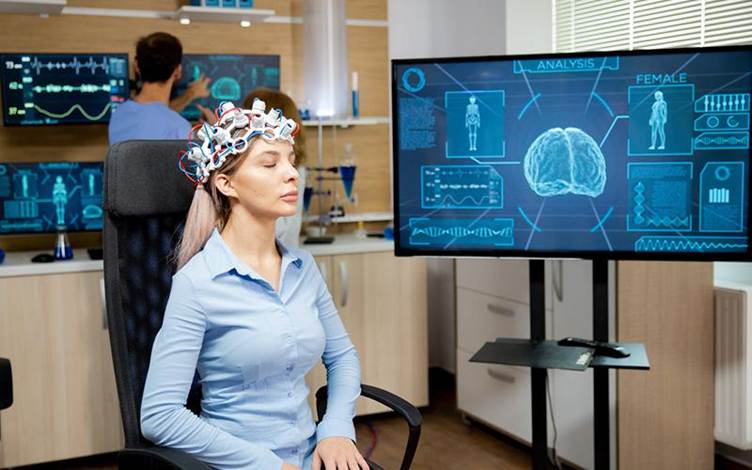
In fast-paced workplaces, mental fatigue and chronic stress have become growing concerns. Professionals face constant pressure to perform, stay alert, and adapt to changing demands. As a result, many are seeking new ways to manage stress effectively without relying solely on medication or short-term fixes. Neurofeedback training has emerged as an advanced method for stress relief in Singapore, helping individuals regain focus and emotional balance by training the brain to function more efficiently.
Understanding Neurofeedback Training
Neurofeedback training is a form of brain-based exercise that uses real-time monitoring to help the brain recognise and adjust its activity. During a session, sensors placed on the scalp measure brainwave patterns. The data is then displayed on a screen, providing immediate feedback on how the brain is performing. Through this process, the brain learns to self-regulate, leading to better mental clarity and emotional stability.
Professionals who undergo neurofeedback sessions in Singapore report that this method supports the brain’s natural ability to manage stress more effectively. By addressing irregular brainwave patterns associated with anxiety or fatigue, neurofeedback helps the mind achieve a more balanced and focused state. This approach provides an alternative form of stress relief that is grounded in neuroscience rather than external stimulation.
Why Professionals Are Turning to Neurofeedback for Stress Relief
In Singapore’s high-pressure work culture, professionals in demanding fields such as finance, healthcare, and technology are increasingly turning to neurofeedback training to restore balance. Chronic stress can lead to reduced productivity, poor sleep, and emotional burnout. Neurofeedback helps address these issues by improving the brain’s capacity to remain calm and alert even in challenging environments.
One of the main reasons this method appeals to working adults is its practicality. Sessions are non-invasive, comfortable, and typically last less than an hour, making them easy to fit into a busy schedule. Many professionals view neurofeedback training as a proactive investment in long-term well-being rather than a temporary stress solution. With consistent practice, the brain learns to function in a more stable and efficient way, leading to reduced anxiety and improved focus.
The Science Behind Stress Relief through Neurofeedback
Stress affects the brain’s electrical activity, especially in areas linked to decision-making and emotional control. When these brainwave patterns become irregular, it can result in tension, distraction, and fatigue. Neurofeedback training provides the brain with real-time information about these irregularities, enabling it to adjust and stabilise.
As the brain continues to receive accurate feedback during multiple sessions, it learns to maintain healthier activity patterns. This training encourages a state of calm alertness, where the mind can handle stress without becoming overwhelmed. In time, individuals experience greater resilience, improved mood, and enhanced concentration. This natural approach to stress relief in Singapore is gaining popularity for its ability to address the root causes of mental imbalance rather than masking symptoms.
Benefits of Neurofeedback for Working Professionals
Professionals who use neurofeedback training report a range of benefits that extend beyond stress management. These include sharper focus, better sleep quality, improved emotional regulation, and sustained energy levels throughout the day. When the brain functions efficiently, it requires less effort to stay alert and productive.
Moreover, neurofeedback supports the body’s natural recovery processes by promoting relaxation and reducing overstimulation. This balance helps individuals manage daily pressures without experiencing the mental exhaustion that often accompanies prolonged stress. For professionals working in high-stakes or creative industries, maintaining this equilibrium is vital for performance and well-being.
Integrating Neurofeedback into a Wellness Routine
For lasting results, neurofeedback training works best as part of a broader wellness routine. Professionals who combine it with regular exercise, proper rest, and mindfulness techniques report greater overall improvement. Since neurofeedback focuses on self-regulation, the skills learned during training can influence other areas of life, encouraging a calmer and more focused mindset.
Clinics in Singapore provide structured programmes tailored to address stress-related concerns. These sessions guide clients through measurable improvements over time, allowing them to track their progress. While the number of sessions varies, consistency plays an important role in achieving sustained benefits.
The Future of Stress Relief in Singapore
As awareness of mental health continues to grow, neurofeedback training is becoming a preferred choice for stress relief in Singapore’s professional community. It offers a science-based, non-invasive way to enhance cognitive performance and emotional stability. For individuals seeking to regain control of their mental state, neurofeedback represents a progressive step toward healthier and more sustainable living.
With its ability to help the brain self-correct and maintain balance, neurofeedback training is reshaping how professionals approach stress management. By focusing on brain optimisation rather than temporary relaxation, it provides a deeper and more lasting solution to workplace tension.
Taking the First Step Toward a Calmer Mind
Stress relief begins with understanding how the brain functions under pressure. Neurofeedback training provides a practical and effective way to restore balance, clarity, and composure in demanding environments.
For more information about neurofeedback training, visit Clarity & Focus today.
