

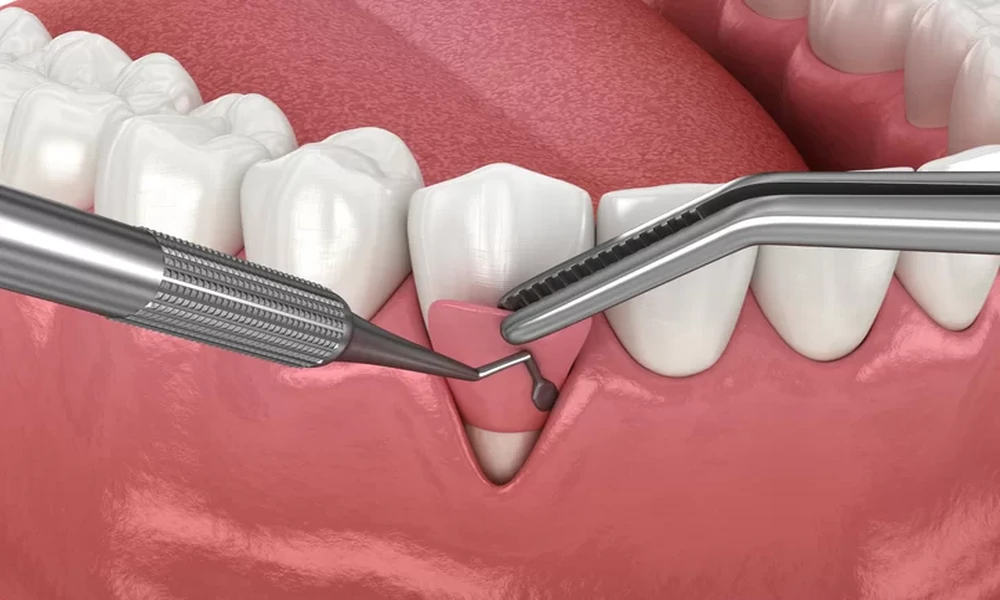
You might not notice gum trouble all at once. It often starts small, with a little bleeding when you brush, some tenderness, or a feeling that your teeth look longer than they used to. Then life gets busy, and it is easy to tell yourself it can wait. Still, that quiet worry tends to stay in the back of your mind. If that sounds familiar, you are not overreacting. Gum health can change slowly, and those small changes matter, especially when discussing related dental care such as orthodontics in East Patchogue.
The good news is that How General Dentistry Tracks And Manages Gum Health Over Time is usually not about one dramatic visit. It is about watching patterns, measuring changes, and stepping in early when something starts to shift. A general dentist looks at your gums over months and years, not just on one day, so problems can be caught before they become harder, more painful, or more costly to treat.
Why can gum problems feel easy to miss at first?
Gum disease does not always announce itself with strong pain. In many cases, the early stage, often called gingivitis, shows up as redness, swelling, or bleeding during brushing and flossing. According to the CDC overview of gum or periodontal disease, gum disease is common, and untreated disease can lead to damage of the tissues and bone that support your teeth.
Because the changes can be slow, people often adapt without meaning to. You brush a little more carefully around one area. You avoid flossing where it bleeds. You stop chewing on one side. So, where does that leave you? It leaves you in the exact place where regular dental visits become useful, because your dentist is not relying on guesswork or memory alone.
A big part of gum disease monitoring is comparison. Your dentist checks how your gums look now, compares those findings to past visits, and looks for trends. Are the gums puffier than before? Are there deeper pockets around certain teeth? Is there more plaque buildup in the same spots each time? That long view helps turn vague concern into a clear plan.
How does a general dentist actually track gum health over time?
A general dentist usually starts with a visual exam and a review of your symptoms. If you mention bleeding, bad breath, tenderness, gum recession, or loose teeth, those details help shape the next steps. Then comes the clinical side. The dentist or hygienist may measure the spaces between your teeth and gums, often called periodontal pockets. Deeper pockets can be a sign that the supporting tissues are under stress.
X-rays may also be used when needed to check for bone loss that cannot be seen during a regular exam. This matters because gum disease is not only about what shows up on the surface. The National Institute of Dental and Craniofacial Research explanation of gum disease notes that infection and inflammation can affect the tissue and bone supporting the teeth. In other words, what feels like “just bleeding gums” can become more serious if no one is tracking it carefully.
Your records become part of the story. Pocket measurements, gum recession, plaque levels, bleeding points, x-rays, and notes about home care all help create a timeline. This is how periodontal health tracking becomes practical. It is not simply “your gums look okay today.” It is “this area improved since your last cleaning,” or “this molar keeps showing inflammation, so we need to change your routine or treatment.”
What changes management from routine care to active treatment?
Sometimes gum care stays in the prevention stage. A routine cleaning, better brushing technique, daily flossing, and more consistent checkups may be enough. But if inflammation continues, pocket depths increase, or bone loss appears, the approach may need to change. That might mean more frequent cleanings, a deeper cleaning below the gumline, or referral for advanced periodontal care.
This is where many people feel stressed, and for good reason. You may wonder if you caused the problem, whether treatment will hurt, or how much it will cost. Those concerns are common. Still, delaying care often gives gum disease more time to progress. The earlier a general dentist spots changes, the more options you usually have, and those options are often simpler than waiting until teeth feel loose or chewing becomes uncomfortable.
What is the difference between home care and professional gum tracking?
| Approach | What It Helps With | What It Can Miss |
|---|---|---|
| Daily brushing and flossing at home | Removes plaque, lowers inflammation, supports healthy gums | Hidden pocket depth changes, bone loss, patterns over time |
| Watching for symptoms yourself | Can alert you to bleeding, swelling, bad breath, or sensitivity | Early disease with few symptoms, slow recession, areas hard to see |
| Regular general dentist visits | Measures gum pockets, compares records, checks x-rays, adjusts care plan | Less effective if visits are skipped for long periods |
Home care matters a great deal, but it works best when it is paired with regular professional review. Think of it this way. You handle the day to day work, and your dentist tracks the deeper changes you cannot easily measure on your own. That partnership is often what keeps small problems from becoming bigger ones.
What can you do right now to protect your gums?
1. Pay attention to bleeding and tenderness. If your gums bleed often, feel sore, or look swollen, do not brush it off as normal. Make a note of when it happens and whether it is getting worse. That information gives your dentist a clearer picture.
2. Keep your recall visits consistent. Skipping cleanings can break the timeline your dentist uses to monitor change. Even if your teeth feel fine, regular visits help catch the slow shifts that are easy to miss.
3. Ask for your gum measurements and trend. You do not need to guess. Ask whether your pocket depths are stable, whether any areas are worsening, and what you should focus on at home. This makes gum health management clearer and more personal.
When you want peace of mind, what matters most?
You do not need to wait for severe pain to take your gums seriously. A general dentist can track changes over time, explain what those changes mean, and help you respond before the problem grows. That is the real value of ongoing dental care. It gives you a record, a plan, and a better chance of keeping your teeth and gums healthy for the long run.
If you have noticed bleeding, swelling, or changes in your gums, schedule a dental visit and ask for a focused gum evaluation. A steady, informed approach now can save you stress later.
