

Severe obesity is more than a matter of appearance – it can affect energy, mobility, and long-term health. For many people with a high body mass index (BMI), lifestyle changes and even medically guided programmes don’t always bring lasting results. In such situations, surgical options like the duodenal switch provide more than just weight reduction. This advanced bariatric procedure offers a powerful combination of restriction and malabsorption, helping eligible patients achieve significant and sustainable weight loss. Whether considering a Duodenal Switch in Dallas, TX, or anywhere else, understanding how the procedure works and who it may benefit is a crucial first step. In this guide, we’ll walk you through what to expect before, during, and after surgery.
Preparing for the Journey: Before Duodenal Switch Surgery
The first step toward duodenal switch surgery for long-term weight loss is a thorough evaluation, where medical history, personal goals, and overall readiness are carefully reviewed to ensure the preparation plan aligns with individual needs. This process is best guided by an experienced bariatric specialist, and those in North Texas can easily find local surgeons online by searching terms such as ‘Duodenal Switch Dallas TX,’ ‘Duodenal Switch Fort Worth,’ or ‘Duodenal Switch Mansfield,’ depending on their location.
Here’s what the preparation phase typically includes:
- Comprehensive Medical Evaluation: A full health check is conducted to assess surgical fitness. This often includes blood tests, cardiac screening, imaging studies, and review of any chronic conditions such as diabetes or sleep apnea.
- Nutritional Assessment and Education: Duodenal switch surgery alters how your body absorbs nutrients, so your care team, including your bariatric surgeon and a registered dietitian, will help you understand post-surgery eating habits and the lifelong need for vitamin and mineral supplements.
- Psychological Readiness: Mental health professionals assess whether individuals are emotionally prepared for the lifestyle changes that follow surgery. This step also helps identify any behaviors, such as binge eating, that could impact recovery or outcomes.
- Patient Education and Consent: Through detailed discussions or education sessions, patients learn about the risks, benefits, and lifestyle changes associated with the procedure. Informed consent confirms that they are fully aware of what the surgery entails.
- Early Lifestyle Modifications: Patients are encouraged to begin making healthy lifestyle changes before surgery. These may include improving diet quality, increasing physical activity, stopping smoking, or losing a small amount of weight. Such changes help enhance surgical safety and recovery.
The Procedure Itself: What Happens During Surgery
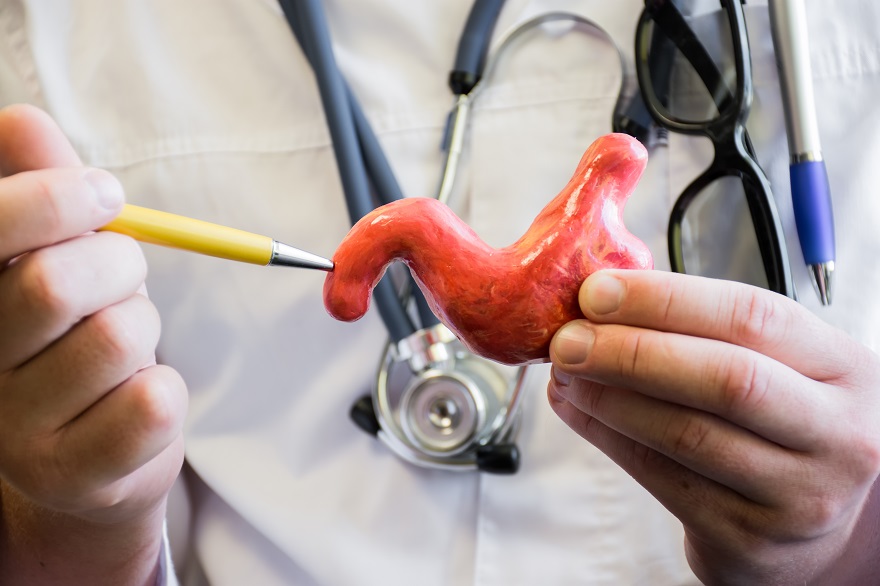
Duodenal switch surgery is performed under general anesthesia, typically using minimally invasive laparoscopic techniques that involve small incisions and a laparoscope with a camera for surgical precision. The procedure usually takes three to four hours, depending on individual factors. It combines two distinct surgical steps. First, the surgeon performs a sleeve gastrectomy, removing approximately 70 to 80 percent of the stomach to create a smaller, tube-shaped pouch. This restricts food intake. Next, the small intestine is divided and rearranged so that food bypasses a significant portion of it, usually about two-thirds, which limits calorie and fat absorption. This specific intestinal rerouting also alters hormone signaling and improves insulin sensitivity and metabolic function.
Recovery and the Early Postoperative Phase
The first few weeks after duodenal switch surgery are carefully structured to support healing and help your body adapt to the significant anatomical and metabolic changes. It is best to consult a local doctor to streamline the surgery and recovery phase. For instance, those considering duodenal switch in Dallas, TX should look up experienced doctors locally to avoid hassels.
Here’s what you can generally expect during this early recovery period:
- Hospital Stay: Most patients remain admitted for 2 to 3 days after the duodenal switch surgery for observation, pain control, and to begin sipping clear fluids under supervision.
- Phased Diet Progression: A strict dietary plan is followed, transitioning from clear liquids to soft solids over several weeks to protect the healing digestive tract.
- Managing Discomfort: Mild pain, fatigue, and digestive changes are expected. Medications and activity guidelines will be provided to ease symptoms and prevent complications like blood clots.
- Daily Movement: Gentle walking is encouraged early on and gradually increased to support circulation and overall recovery.
- Follow-Up Visits: Regular check-ins with your care team are essential to monitor wound healing, nutritional intake, and initial weight loss trends.
Long-Term Life After Duodenal Switch
Adjusting to life after duodenal switch surgery involves more than just physical healing. It’s about maintaining lasting changes in how you eat, move, and manage your health. While the weight loss can be dramatic and sustained, long-term success depends on continued adherence to the care plan developed with your bariatric team.
Below are key aspects of long-term life after duodenal switch surgery that patients need to commit to for successful outcomes:
- Regular Exercise and Diet for Sustained Weight Loss: Most patients lose about 70%–80% of their excess weight within 12 to 18 months after surgery. Long-term maintenance of this loss is only achievable if patients consistently follow prescribed dietary guidelines, take recommended supplements, and commit to regular physical activity. Without these commitments, patients are at risk of weight regain.
- Permanent Nutritional Monitoring: Since the duodenal switch affects how your body absorbs fat and nutrients, lifelong supplementation of fat-soluble vitamins (A, D, E and K), calcium, iron, and B12 is non-negotiable. Blood tests are required at regular intervals to monitor for deficiencies.
- Eating Habits for Life: Meals remain small but protein-focused. High-fat or high-sugar foods may lead to gastrointestinal discomfort or malabsorption symptoms like diarrhea or foul-smelling stools.
- Ongoing Follow-Up: Lifelong follow-up with the bariatric surgeon and dietitian is essential. Routine reviews help manage nutrition, track weight trends, and detect potential issues early.
Is Duodenal Switch Your Path Forward? Talk to an Expert
Choosing duodenal switch in Dallas, TX or anywhere else is a significant medical decision best made with professional guidance. With a wide network of surgeons specializing in Duodenal Switch in Fort Worth, Mansfield, Plano, patients in Dallas and other parts of Texas can more readily access the guidance they need to evaluate their health needs and long-term goals. While the surgery offers substantial long-term weight loss and improvement in obesity-related conditions, it also demands lifelong nutritional management and consistent follow-up. Consult a trusted specialist nearby for a thorough evaluation and an understanding of the benefits, potential risks, and the commitment required for lasting success.
