

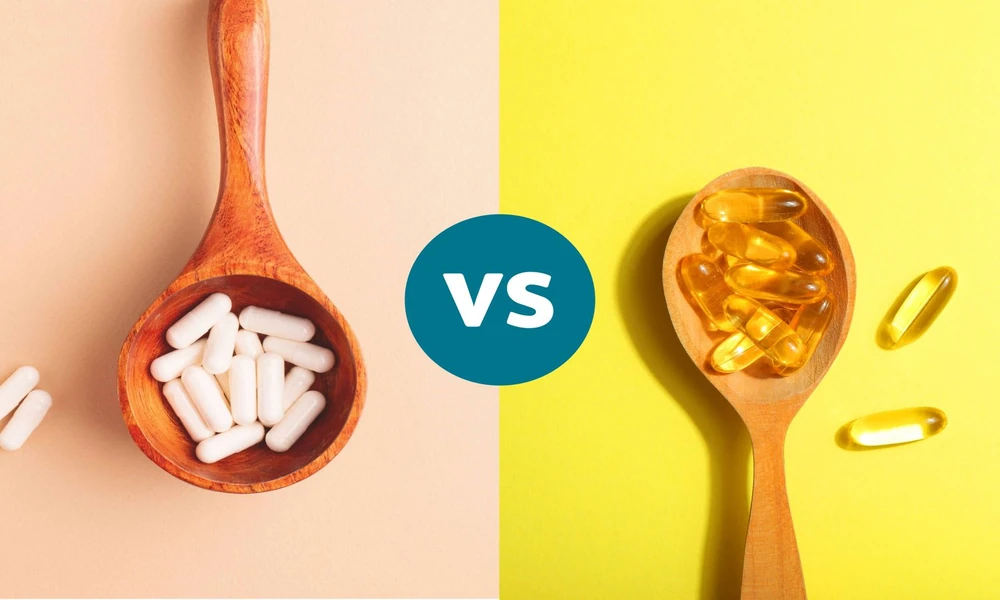
Strong, healthy muscles depend on more than exercise and protein. Two nutrients in particular, vitamin D and magnesium, play key roles in how muscles contract, relax and recover. Many people do not get enough of either, which can show up as weakness, cramps or aches that are easy to blame on something else. Here is why vitamin D and magnesium for muscles matter so much.
Why Vitamin D Matters
Vitamin D is best known for supporting bone health by helping the body absorb calcium. But muscle tissue also has vitamin D receptors, and the vitamin supports muscle strength and function. Low levels have been linked to muscle weakness, aches and a higher risk of falls in older adults.
The body makes vitamin D when skin is exposed to sunlight. People who work indoors, live in places with long winters, cover most of their skin, have darker skin or are older are more likely to be low.
Good sources of vitamin D include:
- Sensible sun exposure.
- Oily fish such as salmon, sardines and mackerel.
- Egg yolks.
- Fortified foods like some milks, cereals and spreads.
Why Magnesium Matters
Magnesium is involved in hundreds of processes in the body, including energy production and nerve signalling. In muscles, it acts as a natural counterbalance to calcium. Calcium helps muscles contract, while magnesium helps them relax. When magnesium is low, muscles may become tense, twitchy or prone to cramping. You can learn more about the role of magnesium in biology and how the body regulates it.
Magnesium levels can be affected by diets low in whole foods, heavy sweating, high alcohol intake, some medications and digestive conditions.
Good sources of magnesium include:
- Leafy green vegetables such as spinach.
- Nuts and seeds, especially almonds, pumpkin seeds and cashews.
- Whole grains and oats.
- Beans, lentils and tofu.
- Dark chocolate and avocados.
How They Work Together
Vitamin D and magnesium are closely linked. The body needs magnesium to convert vitamin D into its active form, so low magnesium can limit the benefits of vitamin D even if you get enough sun or take a supplement. A balanced diet that supplies both is the best foundation.
Signs You Might Be Low
- Frequent muscle cramps or spasms.
- Muscle weakness or aches without an obvious cause.
- Fatigue, low energy and poor sleep.
- Bone or joint discomfort.
These symptoms have many possible causes, so it is best to have levels checked with a blood test rather than guessing.
Should You Take Supplements?
Supplements can help people who are deficient, but more is not always better. Very high doses of vitamin D can raise calcium to unsafe levels, and too much magnesium from supplements can cause digestive upset. Speak to a doctor or pharmacist about the right type and dose, especially if you take other medications or have kidney problems.
Supporting Muscle Recovery
Good nutrition works best alongside rest, hydration, regular movement and recovery care. Stretching, quality sleep and a soothing 출장안마 session can help relax tight muscles while your body rebuilds.
Feed your muscles well, and they will support you in everything you do.
