

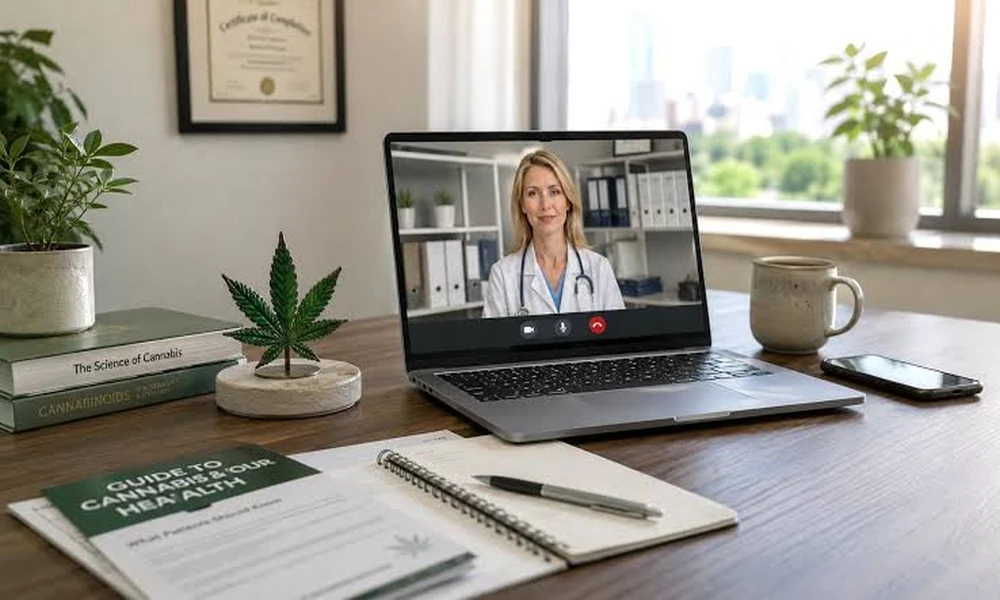
The internet has changed the way people research healthcare options. Instead of relying entirely on printed materials or in-person conversations, individuals can now compare information, review program requirements, and learn about different healthcare services from home. This shift has also influenced the way people learn about medical cannabis.
For someone beginning research, searching for an MMJ card online can be one of several ways to learn how medical marijuana programs work. However, finding information is only the beginning. Understanding the process, reviewing applicable rules, and knowing what questions to ask can be just as important as locating an online service.
From Traditional Research to Digital Resources
Healthcare information was once primarily obtained through doctors, clinics, pharmacies, and printed resources. While these sources remain important, digital platforms have created additional opportunities for people to educate themselves before speaking with a healthcare professional.
This can be particularly useful for subjects that involve unfamiliar terminology. Medical marijuana programs may involve concepts such as eligibility, physician evaluations, patient registration, renewals, and state-specific regulations. Someone encountering these terms for the first time may need time to understand what each part means.
Online resources can provide that initial background. They allow individuals to research at their own pace and identify questions they may want to discuss during a professional consultation.
At the same time, not every website provides equally reliable information. Medical cannabis laws differ between states, and information can become outdated as regulations change. Checking the date and source of information can therefore be an important part of online research.
Why Personal Circumstances Still Matter
Digital convenience does not replace individual healthcare considerations. Two people researching medical marijuana may have completely different medical histories, medications, lifestyles, and concerns.
A professional discussion can help place general information into a personal context. Someone may want to ask about possible interactions with existing medications, potential side effects, or whether medical cannabis is appropriate to discuss as part of their healthcare plan.
This is one reason online information is best viewed as a starting point rather than a substitute for professional medical guidance.
Building Better Health Decisions Through Research
The growing availability of digital healthcare resources gives people more opportunities to become informed before making decisions. It can make basic information easier to access and help patients prepare for meaningful conversations with qualified professionals.
Medical cannabis remains subject to legal requirements as well as healthcare considerations. Taking time to understand both sides of the issue can prevent unrealistic expectations and confusion.
Rather than focusing only on obtaining authorization, individuals can benefit from learning how their state’s program operates, what an evaluation involves, and what questions they should raise with a healthcare professional. A well-informed approach makes digital convenience more useful while keeping personal healthcare needs at the center of the process.
