

The Science Behind Plasma: What Makes It So Valuable?
Understanding Plasma Composition: The Unsung Heroes of Blood
Plasma is the liquid component of blood, comprising about 55% of its total volume. It is primarily composed of water (approximately 90%) and contains a complex mixture of proteins, electrolytes, hormones, nutrients, and waste products. Among the proteins in plasma, albumin, globulins, and fibrinogen play critical roles. Albumin helps maintain blood volume and pressure, globulins include antibodies that are vital for immune responses, and fibrinogen is necessary for blood clotting. This intricate composition underscores plasma’s role in maintaining balance within the body, which is why participating in a plasma center donation is not merely giving fluid but providing essential, life-supporting components that are widely used in medical treatments and therapies.
The Role of Plasma in Modern Medicine: Lifesaving Potential Explored
The medical applications of plasma are extensive and lifesaving. Plasma-derived products, such as immunoglobulins, clotting factors, and albumin, are crucial for the treatment of various conditions, including hemophilia, immune deficiencies, and liver diseases. For instance, individuals with hemophilia rely on clotting factor concentrates derived from plasma to manage their bleeding episodes effectively. Additionally, during medical crises such as burn treatments or major surgeries, albumin is often administered to maintain blood volume and pressure. The demand for these products is persistently high, advocating for the need for regular plasma donations to ensure that the healthcare system can provide adequate support and therapy to those in need.
Unique Properties of Plasma: Why It’s Different from Blood Donation
Plasma donation differs significantly from whole blood donation in terms of process and outcomes. While whole blood is typically donated in one complete session, plasma donation involves a procedure called plasmapheresis. During this process, blood is drawn from the donor, plasma is separated from the red blood cells and other components, and the remaining blood components are returned to the donor’s body. This method allows for a more significant volume of plasma to be collected, and donors can donate more frequently up to twice a week, compared to whole blood, which generally requires a waiting period of 56 days. Moreover, the specialized nature of plasma makes it indispensable in treatments that cannot be substituted by other blood components, reinforcing its unique value in healthcare.
Myth-Busting Plasma Donation: Common Misconceptions Debunked
Donor Safety: Addressing the Fears Surrounding Plasma Donation
Despite the growing awareness and importance of plasma donation, many potential donors harbor fears and misconceptions regarding their safety. It’s critical to stress that plasma donation is a highly regulated and safe procedure conducted in sterile environments by trained professionals. The risk of infection is extremely low, with stringent guidelines maintained by health organizations. Each donor undergoes thorough health screenings prior to donation, ensuring that only eligible individuals participate. It’s important for prospective donors to understand that their health and well-being are prioritized throughout the donation process, making it a secure and responsible way to contribute to medical advancements.
The Truth About Frequency: How Often Can You Donate Safely?
One prevalent misconception is regarding the frequency at which a person can donate plasma. Many fear that frequent donations may lead to health problems or deficiencies. However, research indicates otherwise; donors can safely donate plasma up to twice a week, with at least 48 hours between donations to allow for recovery. The body is remarkably adaptable, thanks to its incredible regenerative capabilities, meaning plasma volume is restored swiftly. This allows plasma centers to rely on regular donors while maintaining the overall health of participants. It is vital for donors to remain attentive to their own body signals and consult with healthcare providers to ensure that their donation frequency is appropriate, but the opportunity exists to make meaningful contributions quite regularly.
Compensation and Ethics: Separating Fact from Fiction
Compensation for plasma donation has stirred significant debate and led to misconceptions about the ethics of the process. While some believe that financial incentives might motivate individuals in a negative way, it’s essential to recognize that many people donate plasma both for altruistic reasons and for the compensation offered. Financial compensation serves to acknowledge the time and effort involved in donation, covering travel and potential lost wages. However, it does not diminish the nobility of the act; postdonation, the plasma can be invaluable for patients who rely on it for life-saving treatments. Ethical standards in plasma donation regulate compensation practices, ensuring donor welfare and safety remain the top priority.
The Donation Experience: What to Expect at a Plasma Center
Your First Visit: Step-by-Step Journey Through the Donation Process
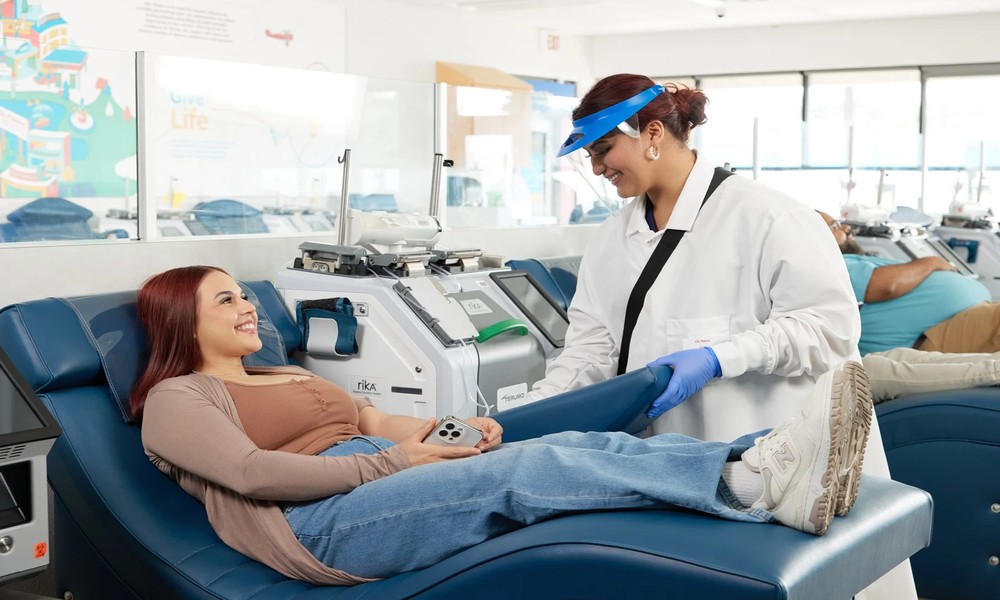
Embarking on your first plasma donation can be both exciting and daunting. When you arrive at a plasma donation center, you will be greeted by trained staff who will guide you through the straightforward process. Your experience begins with completing a detailed health questionnaire and undergoing a physical examination, assessing your eligibility to donate. Following the screening, you’ll be escorted to a donation station where you can relax in a reclined chair. A small needle will be inserted into your arm, and the donation process typically takes about 45-90 minutes, where plasmapheresis occurs. Once the plasma is collected, you’ll be monitored for a brief period before being released, and you will receive post-donation instructions along with any applicable compensation. The entire experience is designed to be comfortable, efficient, and supportive of your needs as a donor.
Comfort and Care: How Centers Ensure Donor Well-being
Plasma centers prioritize comfort and care to ensure that each donor feels safe and valued throughout their donation experience. Many facilities are equipped with comfortable seating, blankets, and refreshments, creating a welcoming environment. Additionally, trained personnel are present to address any concerns or anxieties that donors might have, fostering a reassuring atmosphere. The centers also provide vital aftercare instructions, guiding donors on hydration, nutrition, and self-care tips to ensure a smooth recovery. By focusing on the donor experience, plasma centers emphasize the importance of physiological and psychological well-being, encouraging repeat donations and a long-term commitment to giving.
Aftercare: How to Take Care of Yourself Post-Donation
After donating plasma, it’s critical to understand the aftercare process to maintain good health. Post-donation, donors are usually advised to drink plenty of fluids to rehydrate, as the body needs to replenish the volume of plasma donated. Eating a well-balanced meal rich in nutrients, especially those high in protein and iron, can also aid in recovery. It’s advisable to take it easy on the day of donation, avoiding strenuous activities for at least 24 hours to allow the body to recuperate. If any adverse reactions occur, such as dizziness or soreness, it is essential to inform the staff immediately and seek advice. Following these aftercare guidelines not only ensures your health but enhances your overall donation experience.
Making a Difference: The Impact of Your Plasma Donation
Real-Life Stories: How Plasma Has Changed Lives
The true testament to the importance of plasma donation comes from the real-life stories of individuals whose lives have been transformed thanks to plasma-derived therapies. For example, patients suffering from severe immune deficiencies have regained their strength and quality of life through immunoglobulin therapy, a treatment stemming from donated plasma. Similarly, individuals with clotting disorders, like hemophilia, can now lead active lives without fear of excessive bleeding due to the availability of clotting factors derived from plasma. These narratives highlight just how impactful each donation can be, creating a compelling reason for individuals to consider becoming a donor and playing a part in a lifesaving network.
Connect with Your Community: Joining a Lifesaving Network
Plasma donation is not just an individual act; it embodies a community effort where every donor becomes part of a larger lifesaving network. Engaging in plasma donation fosters connections with like-minded individuals who share a commitment to helping others. Many centers have programs that promote community involvement, allowing donors to participate in events and awareness campaigns that advocate for the importance of plasma donations. Becoming part of this community not only enhances the donation experience through social interactions but emphasizes the impact that collective efforts can have on public health and well-being.
Long-Term Benefits: The Ripple Effect of Plasma Donation on Healthcare
The ripple effect of plasma donation extends beyond immediate benefits for individual patients; it significantly impacts healthcare systems and research. By ensuring a steady supply of plasma products, healthcare providers can respond more effectively during emergencies, manage chronic illnesses, and conduct critical research on new therapies. This consistent availability of plasma-derived therapies has also encouraged the development of novel treatments and enhanced scientific understanding of various diseases. The long-term benefits of a robust plasma donation program contribute to a healthier population and a more responsive healthcare environment, making the act of donating plasma a vital component of advancing medical science.
