

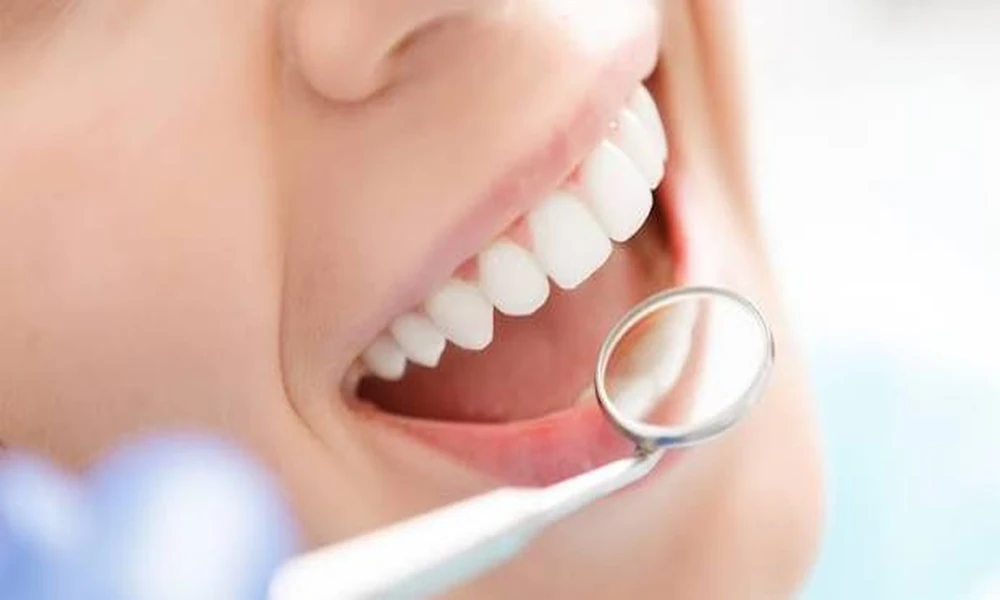
You may be thinking about whitening, veneers, or a straighter smile because something has bothered you for years, maybe in photos, maybe in meetings, maybe every time you catch your reflection. At the same time, you might already know there is a less glamorous part of the process that no one talks about enough. Cosmetic work looks better and lasts longer when your everyday oral health is stable first. That is where family dentistry matters, especially when working with an experienced dentist for families in Bridgeport. Cleanings, exams, cavity care, gum treatment, and bite checks create the base that cosmetic treatment depends on.
A family and cosmetic dentist does more than improve appearance. The role often starts with protecting the teeth and gums you already have, spotting problems early, and helping every age group stay on track. The result is simple. Cosmetic enhancements are smoother, safer, and more predictable when they are built on healthy enamel, healthy gums, and a bite that works the way it should.
Family dentistry supports cosmetic dentistry from the ground up
It is easy to focus on the final look and miss the condition underneath. A brighter smile will not solve gum inflammation. Veneers will not stop grinding. Straight teeth still need healthy bone and gum support. If those issues are ignored, cosmetic treatment can become frustrating, expensive, and short lived.
That is why routine family dental care matters so much. Regular exams can catch decay, worn fillings, gum disease, bite problems, and early signs of enamel damage before cosmetic work begins. According to the CDC’s oral health resources, oral health is tied closely to overall health, which makes prevention and early treatment more than a cosmetic concern.
You see this play out in ordinary situations all the time. Someone wants whitening, but the exam shows untreated cavities that would make sensitivity worse. Another person asks about bonding for a chipped front tooth, but years of nighttime grinding mean the repair would likely break unless the bite issue is addressed. A teen wants clear aligners, yet plaque buildup and inconsistent hygiene need work first. None of this means cosmetic goals are out of reach. It means the sequence matters.
Healthy gums and stable teeth make cosmetic results last longer
Gums frame the smile. Teeth depend on them for support. If the gums are swollen, receding, or infected, even beautiful cosmetic work can look uneven. It can also fail sooner. Whitening may highlight gum irritation. Veneers can look too long if recession worsens. Crowns and bonding near inflamed gum tissue are harder to place cleanly and maintain over time.
This is one reason family dentistry and cosmetic enhancements work best together. Family care creates consistency. Children learn home care early. Adults stay current with cleanings and screenings. Older family members get support for dry mouth, worn teeth, or missing teeth before those problems spread. The whole approach is less about fixing one visible concern and more about keeping the mouth stable enough for lasting changes.
The basics still carry the most weight. The MedlinePlus dental health guide covers the same theme clearly. Daily brushing, flossing, fluoride, and regular dental visits reduce the problems that can interrupt cosmetic plans later.
Family dental care lowers the risk of cosmetic setbacks
Cosmetic treatment often involves time, money, and hope. That hope can take a hit when hidden problems show up halfway through treatment. A small cavity under an old filling can delay whitening. Gum disease can slow orthodontic treatment. Jaw pain can change the plan for crowns or veneers. When routine family care is already in place, these surprises are less common.
There is also a financial side to this that people feel deeply. You may be ready to invest in your smile, then learn you need periodontal treatment, fillings, or a night guard first. That can feel discouraging, especially if you were hoping for a fast answer. Preventive care usually costs less than repairing advanced disease, and it protects the investment you make later in appearance-based treatment.
Adults often put off routine visits because life gets busy, then cosmetic concerns become the reason they finally return. That is common, and it does not need judgment. It just means the first step may be less visible than the one you had in mind. The HRSA oral health information for adults points out that regular care helps prevent pain, tooth loss, and other issues that affect daily life and long term health.
Preventive family dentistry and cosmetic treatment work better together
| Approach | What happens first | Likely short term result | Long term impact |
|---|---|---|---|
| Cosmetic treatment without routine family care | Appearance concerns are treated before gum health, decay, or bite issues | Faster visible change | Higher risk of sensitivity, repairs, delays, and shorter lifespan of cosmetic work |
| Preventive dental care before cosmetic dentistry | Exams, cleanings, cavity treatment, gum care, and bite evaluation come first | Slower start but clearer treatment plan | Stronger support for aesthetics, better comfort, and more durable results |
The difference is not just clinical. It affects confidence too. When the foundation is solid, you are less likely to second guess every stain, sore spot, or chip after treatment. You can enjoy the result instead of worrying that something underneath was missed.
Small steps now make cosmetic options clearer later
Schedule a full exam before choosing a cosmetic procedure. Ask for a clear review of gum health, existing fillings, enamel wear, bite alignment, and any signs of grinding. This gives you a real starting point instead of a guess based on appearance alone.
Handle disease and damage first. If you need a cleaning, periodontal care, cavity treatment, or a night guard, do that before whitening, bonding, or veneers. It may feel like a detour, but it protects both comfort and cost.
Build a maintenance plan that matches your cosmetic goals. Whitening needs stain control. Bonding needs careful habits. Veneers and crowns need gum health and regular monitoring. A simple recall schedule and good home care matter as much as the procedure itself.
A better smile usually starts with the plain, steady work of family dental care. That is not the flashy part, but it is the part that gives cosmetic treatment a fair chance to look right and last. If you are considering aesthetic changes, start with the health of the teeth and gums underneath. A family and cosmetic dentist can help you build that base first, then move toward cosmetic enhancements with fewer surprises and better results.
