

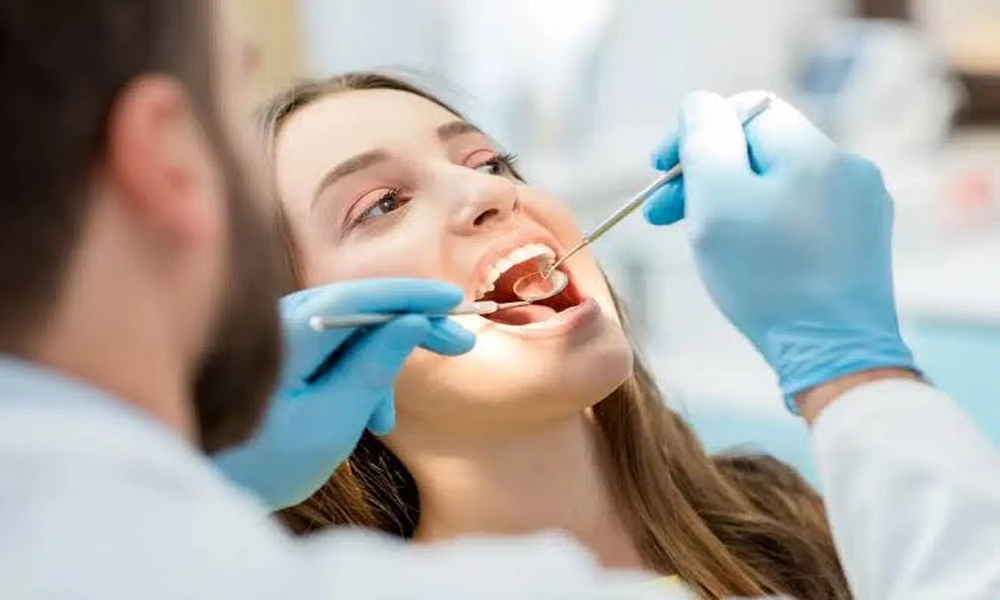
You brush their teeth, you watch the snacks, you keep up with water instead of juice, and so far, no cavities. That can make a dental visit feel optional. If nothing seems wrong, it is easy to wonder whether Children’s dental care specialists in Fontana is really necessary yet.
Many parents sit in that exact spot. You do not want to create stress for your child, spend money on an appointment that feels unnecessary, or hear that you should have come in sooner. At the same time, you do not want to miss something small that turns into a bigger problem later. When your child has never had a cavity, a dental visit is less about fixing damage and more about making sure healthy habits are working, growth is on track, and your child learns that dental care is normal, calm, and part of life.
Pediatric dental visits protect more than cavity-free teeth
A child can have healthy-looking teeth and still need a dental exam. Cavities are only one part of oral health. A pediatric dental provider also looks at bite development, jaw growth, brushing patterns, early signs of enamel wear, gum irritation, thumb sucking effects, and how the teeth are coming in.
This matters because many dental issues do not cause pain right away. A small area of weakening enamel can sit quietly. Crowding can start long before permanent teeth fully arrive. Bedtime milk, frequent crackers, mouth breathing, and dry mouth can all raise risk even when no cavity has formed yet. You may be doing a lot right and still need small course corrections.
That is one reason the National Institute of Dental and Craniofacial Research offers guidance for families through its children’s oral health resources. Prevention works best before there is a problem to fix.
When your child has never had a cavity, prevention still saves time and money
It is easy to think of dental care as something you seek once decay shows up. In real life, prevention is usually the less stressful path. A short checkup, a cleaning, and advice tailored to your child’s age can be much easier than dealing with fillings, tooth pain, missed school, and a frightened child who now associates the dentist with discomfort.
There is also the emotional side. If your child’s first dental visit happens during a problem, the whole experience can feel loaded from the start. If the first visit happens when everything is fine, your child gets to build trust without pain in the picture. That can shape how they feel about oral care for years.
Parents often ask themselves a quiet question they do not always say out loud: if my child has perfect teeth so far, am I overdoing it? Usually, no. Seeing a children’s dentist when things are going well is the point. It gives you a baseline, catches small changes early, and reinforces habits that are already helping.
Regular visits to a children’s dentist support healthy routines at home
Home care does most of the daily work, but home care and professional care are not interchangeable. You see your child every day, which is exactly why small changes can be hard to spot. Teeth erupt slowly. Gums change gradually. Habits like cheek chewing or grinding can happen at night when you are not aware of them.
The Centers for Disease Control and Prevention shares practical oral health tips for children, including brushing with fluoride toothpaste and building age-appropriate routines. A pediatric dental visit adds another layer. You get advice based on your child’s mouth, not just general guidelines. That can include how much toothpaste to use, whether sealants make sense later, how to handle flossing struggles, or whether a sippy cup habit is affecting the teeth.
Dental visits for kids without cavities are often simpler than parents expect. In many cases, the appointment is mostly observation, gentle cleaning, education, and reassurance.
Comparing home care and pediatric dental care shows why both matter
| Area | What Home Care Does Well | What a Pediatric Dentist Adds |
|---|---|---|
| Cavity prevention | Daily brushing, flossing, fluoride toothpaste, limiting sugar | Checks for weak spots, reviews risk level, may suggest fluoride treatments or future sealants |
| Growth and development | Parents may notice new teeth coming in | Evaluates bite, spacing, jaw growth, and eruption patterns |
| Behavior and habits | You can work on brushing routines and snack choices | Identifies effects of thumb sucking, grinding, mouth breathing, or prolonged bottle use |
| Comfort with dental care | You can talk positively about brushing and dentist visits | Creates a low-pressure first experience before treatment is ever needed |
| Cost control | Good habits reduce risk | Early detection can prevent more costly treatment later |
Small steps make the first pediatric dentist visit easier
Schedule the visit before there is a problem. A calm, routine appointment is easier on your child and on you. It frames the dentist as part of staying healthy, not as the place you go when something hurts.
Talk about the appointment in simple, neutral language. Skip long explanations and avoid promising there will be nothing uncomfortable. Say they are going to have their teeth counted and checked. Kids usually do better when the adults around them stay steady and matter-of-fact.
Bring your real questions. Ask about brushing technique, fluoride, snack habits, pacifier use, spacing, and what changes to watch for at home. A good kids dental checkup is not only about the exam. It is also your chance to get clear answers that fit your child’s age and routine.
Early pediatric dental care keeps a good track record going
If your child has never had a cavity, that is great news. It does not mean you have to wait until something goes wrong. It means the habits you have built deserve support. A visit with a pediatric dentist can confirm that things are on track, catch issues that are easy to miss at home, and help your child feel comfortable with dental care from the start.
Keeping teeth healthy is often less dramatic than parents expect. It is a series of small choices, regular check-ins, and early guidance. If your child is cavity-free, that is not a reason to delay care. It is a strong reason to protect what is already going well.
