

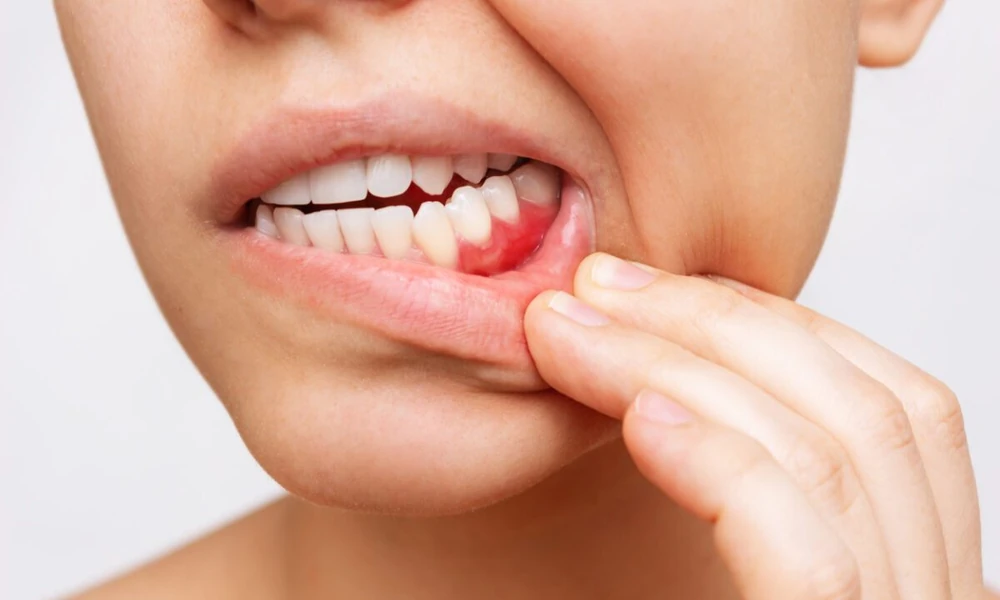
You noticed something is off. Maybe your child winced while chewing, woke up crying at night, or suddenly refuses a favorite snack because it hurts too much to bite down. It is easy to hope it is just a phase, or that baby teeth do not matter as much because they fall out anyway. That is usually the moment parents start second guessing themselves. At Children’s Dental FunZone in Santa Ana, CA, parents can get the support and answers they need.
An infected baby tooth is not something to brush off. Pain can build fast, swelling can spread, and a small dental problem can turn into an urgent one in a day or two. The short version is simple. If your child has swelling, ongoing pain, a bump on the gums, or fever along with tooth symptoms, it is time to call a pediatric dentist.
An infected baby tooth can affect more than one tooth
Baby teeth hold space for adult teeth, help your child chew, and support speech. When one gets infected, the issue does not stay neatly contained. Infection can move into the gums, the face, and the tissue around the tooth. In some cases, it can affect the developing adult tooth underneath.
You may also be dealing with a child who cannot explain what hurts. Young kids often say their ear hurts, their cheek hurts, or they just seem cranky and tired. That can make a dental infection easy to miss at first. According to MedlinePlus guidance on tooth abscesses, infection in or around a tooth can cause pain, swelling, bad breath, and fever. Those are not signs to watch for over a week. Those are signs to act on.
Swelling in the gums or face is one of the clearest warning signs
If your child has puffiness around the gums, jaw, or cheek, do not wait for it to settle on its own. Swelling usually means the body is reacting to infection, and when it appears in the face, the problem has already moved beyond simple tooth sensitivity.
This is often the sign that makes parents realize the problem is real. A child goes to bed with a sore tooth and wakes up with one side of the face looking different. At that point, home care is not enough. Cold compresses may help comfort, but they do not treat the source.
Signs of an infected baby tooth often start subtly, then become obvious all at once. Swelling is one of the signs that should move your call to the top of the list.
Throbbing pain and pain with chewing often signal a deeper infection
A child who avoids chewing on one side, cries when brushing, or says the tooth hurts without stopping is not dealing with normal teething or mild irritation. Constant or throbbing pain often points to inflammation or infection inside the tooth.
Night pain matters too. Tooth infections can feel worse when your child lies down, which is why bedtime suddenly becomes hard. You may notice more tears, more waking, and a child who cannot get comfortable. If pain medicine helps only a little or the pain keeps returning, the tooth needs professional evaluation.
This is where many parents feel stuck. You do not want to overreact, but you also do not want to miss something serious. If the pain is persistent, interferes with sleep, or makes eating difficult, that is enough reason to call a pediatric dentist.
A pimple like bump on the gums often means infection is draining
A small white, yellow, or red bump near the tooth can look harmless, but it often is not. That bump may be a gum boil or abscess, which means the infection is finding a way to drain. Sometimes the bump comes and goes, and parents think the problem is getting better. It usually is not. The source of the infection is still there.
You might also notice a bad taste in your child’s mouth or breath that smells unusually foul even after brushing. Those details matter. They often show up alongside a draining infection.
Baby tooth infection symptoms are not always dramatic at first. A gum bump is one of the easiest signs to miss, and one of the most useful to recognize early.
Fever, tiredness, and trouble eating can mean the infection is spreading
When a child has tooth pain plus fever, low energy, swollen glands, or trouble opening the mouth, the situation needs prompt care. Those signs can mean the infection is affecting more than the tooth itself.
The American Academy of Pediatric Dentistry explains in its emergency oral care recommendations that swelling, fever, and trauma related symptoms may require urgent attention. If your child is drooling, not drinking, or seems unusually sleepy, treat it seriously.
If there is any trouble breathing or swallowing, seek emergency medical care right away.
Watching at home versus calling a pediatric dentist
| What you notice | Watch briefly at home | Call a pediatric dentist promptly |
|---|---|---|
| Mild sensitivity to cold once or twice | Yes, if it fades quickly and does not return | If it lasts more than a day or becomes frequent |
| Pain with chewing or brushing | No | Yes |
| Swollen gums, cheek, or jaw | No | Yes, same day if possible |
| Bump on the gums near a tooth | No | Yes |
| Fever with tooth pain | No | Yes, urgent evaluation |
| Trouble swallowing or breathing | No | Emergency care immediately |
Good daily care lowers the odds of infection, but it does not erase the need for treatment once symptoms start. The CDC offers oral health tips for children that can help prevent cavities, which are a common starting point for tooth infections.
What to do right now if you think your child has a tooth infection
1. Check for swelling, fever, and changes in eating. Look at the gums, cheek, and jaw. Ask whether it hurts to bite. Notice whether your child is avoiding food, waking at night, or acting unusually tired.
2. Keep your child comfortable without delaying care. Offer water, soft foods, and age appropriate pain relief if your child’s doctor has said it is safe. Do not place aspirin on the tooth or gums. Do not try to pop a gum bump.
3. Schedule a prompt dental visit. A pediatric dentist can tell whether the tooth can be treated, monitored, or needs a different plan to stop the infection and protect the teeth around it.
Prompt care can stop a small problem from becoming a painful one
You are not overreacting by taking tooth pain seriously, especially when your child is too young to explain what they feel. The four biggest warnings are swelling, constant pain, a gum bump, and fever or illness along with tooth symptoms. Those are the signs that call for prompt dental attention.
If your child is showing any of these signs, contact a pediatric dentist as soon as you can. Fast care can ease pain, stop the infection, and help protect your child’s smile as they grow.
