

You might be keeping up with your cleanings, watching what you eat, and doing your best to stay healthy, so the idea of oral cancer may feel distant, or even a little unsettling. That reaction makes sense. Most people do not expect a routine dental visit to be the place where a serious health issue is first noticed, yet that is often exactly what happens at a comprehensive dental clinic in Columbia MO. The short version is simple. Why Oral Cancer Screenings In General Dentistry Save Lives comes down to one fact. Early detection gives you more options, less invasive treatment, and a better chance at a good outcome.
When oral cancer is found late, the road can become harder, more expensive, and more frightening. When it is found early, sometimes before you feel pain or see a clear warning sign, treatment can begin sooner. That is why a quick screening during a dental visit matters more than many people realize. It is not an extra box to check. It is part of protecting your health in a very real way.
Why do routine dental visits matter so much for oral cancer detection?
Many signs of oral cancer are easy to miss on your own. A sore that does not heal, a red or white patch, a lump, numbness, changes in how your dentures fit, or pain when swallowing can all seem minor at first. Life gets busy, and it is easy to tell yourself you will watch it for another week or two. Because of that delay, small problems can grow quietly.
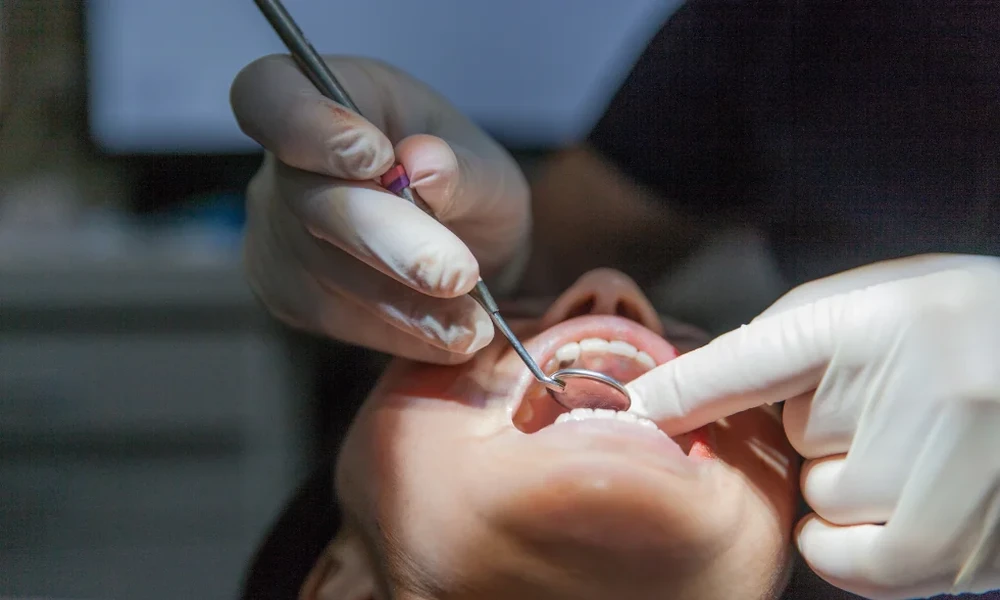
During regular dental care, your dentist is not only looking at teeth. They are also checking your tongue, cheeks, gums, lips, palate, and other soft tissues for changes that do not look normal. According to the National Institute of Dental and Craniofacial Research, oral cancer can affect several parts of the mouth and throat, and early signs are not always painful. That is part of what makes screenings so important. You may feel fine, while something concerning is just starting to develop.
So, where does that leave you? It means a routine exam can become a first line of defense. A dentist may notice something subtle long before it becomes impossible to ignore. That is the heart of oral cancer screenings in general dentistry. They create a chance to catch disease early, when timing matters most.
What happens when oral cancer is caught late instead of early?
This is where the emotional side becomes very real. A late diagnosis can mean more complex treatment, more time away from work, more stress for your family, and more concern about speech, eating, and appearance. Oral cancer can affect everyday functions people rely on without thinking twice. Talking with loved ones, sharing a meal, smiling in a photo, all of these things can feel different when treatment becomes extensive.
The National Cancer Institute explains that screening aims to find cancer before symptoms are obvious. That matters because earlier-stage cancers are often easier to treat than cancers found after they have spread. In practical terms, finding a suspicious area early can lead to follow-up testing and care before a condition becomes more serious.
There is also a common misunderstanding that only people who smoke or drink heavily need to worry. Those are known risk factors, yes, but they are not the whole story. Age, sun exposure to the lips, HPV infection, and other factors can also play a role. Some people diagnosed with oral cancer do not fit the profile they expected. That is another reason oral cancer screening should not be treated as optional.
What does a screening involve, and is it worth the time?
Most screenings are brief, painless, and done during a routine exam. Your dentist may look for patches, sores, swelling, or tissue changes and may feel areas of the jaw, neck, or mouth for lumps or tenderness. If something unusual appears, it does not always mean cancer. It means the area deserves a closer look, which can be a relief in itself, because uncertainty is hard to carry.
A helpful summary from UT Dentistry makes the point clearly. Screenings matter because they can identify abnormal tissue before a patient even knows anything is wrong. In day to day life, that can be the difference between a small intervention and a much harder medical journey.
| Situation | Early Screening Finds a Problem | Problem Found After Symptoms Worsen |
|---|---|---|
| Visible changes in the mouth | Small area may be noticed during a routine exam | Larger lesion may appear after weeks or months of delay |
| Treatment path | Often allows faster referral and earlier care | May require more involved treatment after spread or growth |
| Daily life impact | Less disruption when addressed sooner | Greater effect on eating, speaking, work, and stress levels |
| Peace of mind | Concerns are checked before they grow | Uncertainty can last longer and feel heavier |
What can you do right now to protect yourself?
1. Keep regular dental appointments. General, cosmetic, and restorative dentistry is about more than your smile. Routine visits give your dentist repeated chances to spot changes over time. That pattern matters, because a small shift in tissue can be easier to catch when someone has seen your mouth before.
2. Pay attention to changes that last. If you notice a sore, patch, lump, numbness, or trouble swallowing that does not improve within two weeks, do not brush it off. It may be harmless, but it is worth checking. Waiting often feels easier in the moment, yet it can cost you time you may need later.
3. Ask for an oral cancer screening. Even if your dentist already includes it as part of an exam, there is nothing wrong with asking directly. That simple question can open the door to a more focused check and a better understanding of your personal risk factors.
Why is this small step such an important part of general dentistry?
Because general dentistry is not only about fixing problems after they hurt. It is also about prevention, awareness, and catching disease early enough to change the outcome. A screening takes little time, but the value can be enormous. When you understand mouth cancer checks as part of regular dental care, they stop feeling like an extra and start feeling like what they are, which is a smart and protective habit.
If you have been putting off a dental visit, you are not alone, and you do not need to feel judged. The best next step is simply to schedule care and ask about screening. That one decision could bring peace of mind, or it could lead to early treatment when it matters most. Either way, it is a step worth taking.
